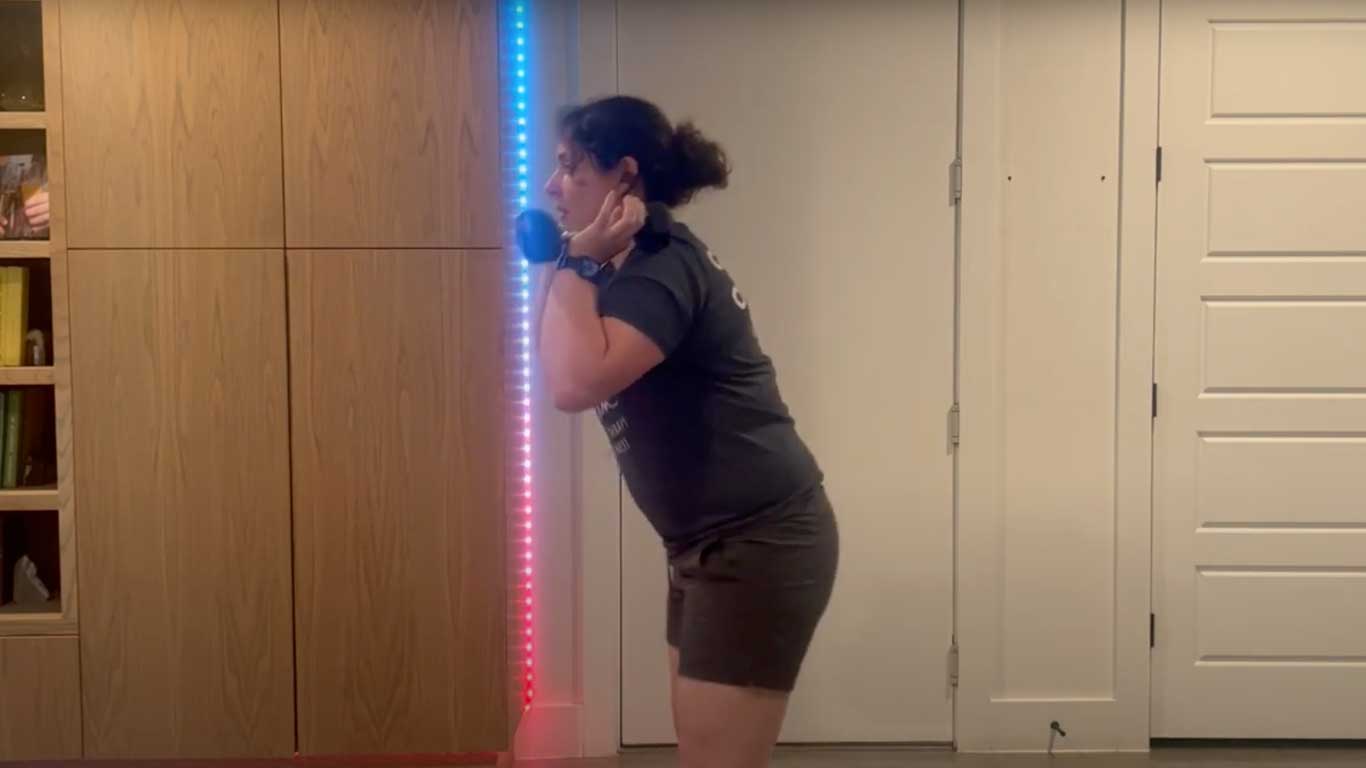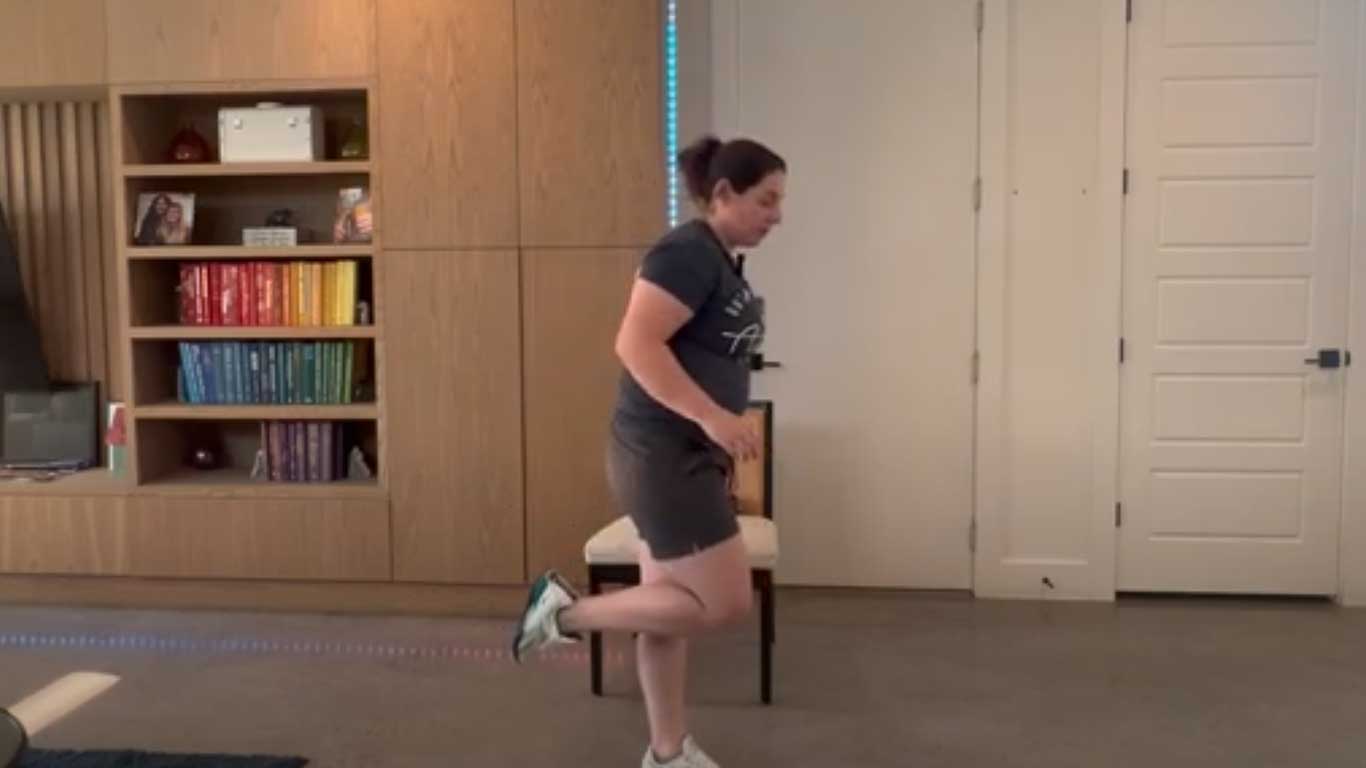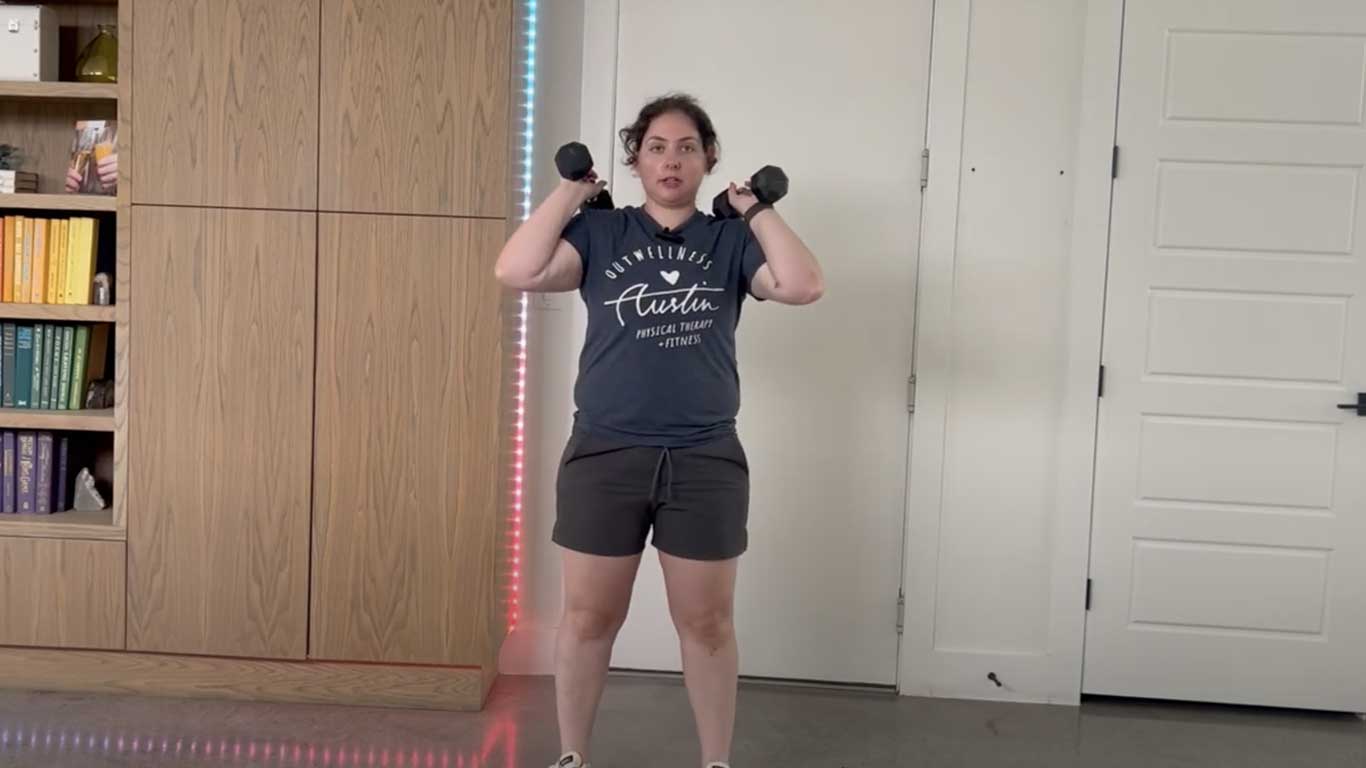
If you want to get stronger, doing the exact same workout the exact same way forever usually will not get you very far. At some point, your body adapts to the demand you place on it. That is a good thing. It means training is working. But it also means that if you want to keep building strength, muscle, or capacity, your training has to evolve.
That is where progressive overload comes in.
Progressive overload is the process of gradually increasing training demands so the body continues to adapt over time. Current ACSM guidance emphasizes that effective resistance training does not have to be overly complicated and that consistency is one of the biggest drivers of results. At OutWellness, we talk about progressive overload as a long game. It is not about crushing yourself every session. It is about giving your body a clear enough challenge to adapt, then recovering well enough to do it again.
What Is Progressive Overload?
Progressive overload is the process of increasing the demand placed on your body over time so that it continues to adapt. In strength training, that can mean increasing weight, reps, sets, range of motion, training frequency, time under tension, or movement complexity.
A lot of people hear the word “overload” and assume it means lifting heavier every workout. That can be one form of progression, but it is not the only one. In fact, trying to add weight constantly is one of the fastest ways to stall out or irritate something that is not ready.
Ways Progressive Overload Can Look In Real Life
Adding Weight
You increase the load on the bar or the dumbbells while keeping the movement pattern the same.
Adding Reps
You perform more repetitions with the same weight before increasing load.
Adding Sets
You increase total training volume across the session or week.
Improving Range Of Motion
You move through a fuller, more controlled range as mobility and strength improve.
Improving Tempo Or Control
You slow the lowering phase, pause in a challenging position, or improve your movement quality under the same load.
Increasing Frequency
You train a movement pattern more often across the week, assuming your recovery supports it.
All of those are valid forms of progression. The right one depends on your goal, training history, injury history, recovery, and how your body responds to load.
Why Progressive Overload Matters
Your body is efficient. If you ask it to meet the same demand over and over, it learns how to do that demand with less effort. That is adaptation. But once the demand becomes familiar, it stops being a strong enough signal for continued change.
Progressive overload gives your body a reason to keep adapting. It tells muscles, connective tissue, and the nervous system that they need to keep building capacity. Without progression, you may maintain what you already have, but you are less likely to continue getting stronger.
This matters whether you are new to lifting or have been training for years. Beginners often see faster progress because almost any structured stimulus is new. More experienced lifters usually need more intentional programming, better recovery, and more patience, but the principle stays the same.
The Biggest Mistake: Progressing Too Fast
A lot of people understand that they need progression. Fewer people know how to pace it.
One of the most common mistakes in strength training is trying to do too much too soon. Sometimes that looks like jumping load too aggressively. Sometimes it means increasing weight, reps, and sets all at once. Sometimes it means forcing progress because the spreadsheet says to, even though recovery has clearly not caught up.
Public health guidance supports building activity up gradually, and newer exercise guidance continues to emphasize sustainable, repeatable training rather than extreme programming. Strength gains happen through the cycle of stress and recovery. Training provides the stimulus. Recovery is where adaptation happens. If demand keeps increasing while sleep, food, stress management, and tissue tolerance are lagging behind, the result is often stalled progress, nagging pain, or burnout.
Signs You Are Using Progressive Overload Well
A lot of people think progress only counts if the number on the bar goes up. That is one sign, but it is not the only one.
You may be progressing well if:
- a weight that used to feel difficult now feels more manageable
- your form stays more consistent across sets
- you recover better between sessions
- you can tolerate more weekly volume without flaring symptoms
- your confidence with a movement improves
- daily activities feel easier
- you can train more consistently over time
This is especially important for people returning from pain or injury. Sometimes the biggest win is not a huge PR. It is being able to train regularly without setbacks.
How To Apply Progressive Overload Safely
Start With A Baseline
Before you can progress, you need to know where you are starting. That includes the load you can lift with good form, the number of reps you can perform consistently, and how your body feels during and after training.
If you do not know your baseline, it becomes much harder to tell whether a change is helping or just creating noise.
Progress One Variable At A Time
You do not need to increase everything at once. In most cases, progressing one variable at a time is more sustainable. You might add two reps before adding weight. You might improve control before increasing load. You might increase total weekly volume before changing the exercise itself.
This usually feels less dramatic, but it tends to work better long term.
Keep Form Consistent
Adding load to a movement that falls apart under stress is not really progression. It is compensation.
That does not mean every rep has to look perfect. It does mean that movement quality should stay relatively consistent as demand increases. If every rep starts looking different, that is useful information. It may mean the progression is too aggressive, fatigue is too high, or the exercise selection needs to change.
Respect Recovery
Recovery is part of the program, not a reward for finishing it. Sleep, hydration, food intake, life stress, and rest days all affect how well you adapt to training.
CDC guidance for adults recommends regular physical activity plus muscle-strengthening work on two or more days per week, and that broader framework only works when the body can actually recover from the training being done. If performance is dropping, soreness is lingering much longer than usual, or small aches keep stacking up, that does not automatically mean you need to push harder. Sometimes the smartest progression is holding steady for another week.
Use Deloads And Plateaus Strategically
Plateaus are normal. They do not always mean something is wrong. Sometimes your body needs more time at a given level before it is ready for the next jump. Other times, it needs a temporary decrease in volume or intensity so that fatigue can come down and performance can rebound.
Backing off is not the same as going backward. It is often part of what allows long-term progress to continue.
Progressive Overload Is Not Just For Athletes
One of the best things about progressive overload is that it applies far beyond competitive lifting. Strength training supports health, function, and long-term physical capacity, and ACSM and CDC guidance both reinforce the importance of regular resistance-based activity for adults.
That means progressive overload matters for the person who wants to deadlift more weight, and for the person who wants stairs, groceries, travel, workdays, and daily life to feel easier.
This is especially important for adults who want to age well, return to exercise after time away, or feel more confident in their bodies. Strength is not only about performance. It is also about access to daily life.
When To Get Help
If you are not sure how to progress, if you keep getting stuck, or if you keep getting hurt when trying to get stronger, it may be time for more support. The answer is not always more motivation. Sometimes it is better programming, better load management, or a better match between the exercises and your current capacity.
A physical therapist or knowledgeable coach can help you figure out whether your symptoms are a normal training response, when to progress, when to hold steady, and how to build strength without repeatedly flaring pain. Check out the options for physical therapy and personal training at OutWellness!
Conclusion
Progressive overload is one of the most important principles in strength training, but it works best when people understand that progression is not the same thing as pushing harder at all costs. Real progress is gradual, specific, and recoverable. It is built through consistency, not constant max-effort training.
If you want to keep getting stronger, the goal is not to prove something every workout. The goal is to create enough challenge for your body to adapt, then repeat that process over time.
Want help building strength in a way that feels sustainable and informed? Book a free consult, join the gym, or explore classes and events at OutWellness.