If you had top surgery and no one on your care team mentioned physical therapy, this post is for you.
Most of the conversation around chest surgery stops at the operating room. You get your drains removed, a follow-up with your surgeon, and a vague instruction to “take it easy.” What often goes unsaid is that your chest, shoulders, and posture need a plan to heal well — not just time. That is exactly where physical therapy after top surgery comes in, and it can be the difference between a stiff, tight recovery and one where you feel like yourself again.
Here at OutWellness in South Austin, we care for a lot of people in the weeks and months after chest masculinization, chest feminization, and non-binary top surgery. The good news first: research shows high satisfaction after top surgery, with people reporting real gains in confidence and quality of life. Our job is to help your body catch up to how good the result already feels.
You do not have to earn care by suffering through stiffness or pain longer than you need to.
What Physical Therapy After Top Surgery Actually Does
Surgery reshapes your chest, but it also changes how the tissue underneath moves. Scar tissue can tether the skin to the muscle and fascia below, which is why the chest can feel tight, pull when you reach, or ache across the shoulders. Left alone, that tension can quietly limit your shoulder motion and posture for months.
Physical therapy addresses this directly. A therapist who understands chest surgery works on restoring shoulder range of motion, easing tightness across the chest wall, improving how your scar and the tissue around it glide, and rebuilding the posture and strength that surgery interrupts. The aim is not to rush you — it is to keep you moving just enough to prevent stiffness without stressing your incisions.
The Recovery Timeline: When Movement Comes Back
Healing has phases, and knowing them takes a lot of the fear out of recovery. The first two to three weeks are the most protective: short walks, no lifting over five pounds, and no raising your arms above shoulder height. Around week three, incisions are usually closed and you may be cleared for light daily activity and gentle mobility.
Between weeks four and six, most people gradually resume light cardio and basic shoulder movement. By six weeks, many are cleared to reintroduce upper-body strengthening. You can gradually resume exercise on a schedule your surgeon sets, and chest-focused lifts like push-ups and bench press are usually held off longest — often three months — to protect the incision lines.
Here is the balance worth remembering: too much restriction leads to stiffness and even frozen shoulder, while too much stretching too soon can stress a healing scar. Good rehab lives in the middle, and it is different for every body.
Scar Care and Why Mobility Matters
Your scars are not just lines on your skin — they are living tissue that keeps changing for a long time. Scars can take up to a full year for scars to fully mature, softening and fading gradually over that stretch. Once your surgeon confirms your incisions are fully closed, scar care usually begins with silicone-based products, gentle massage, sun protection, and slow mobility work.
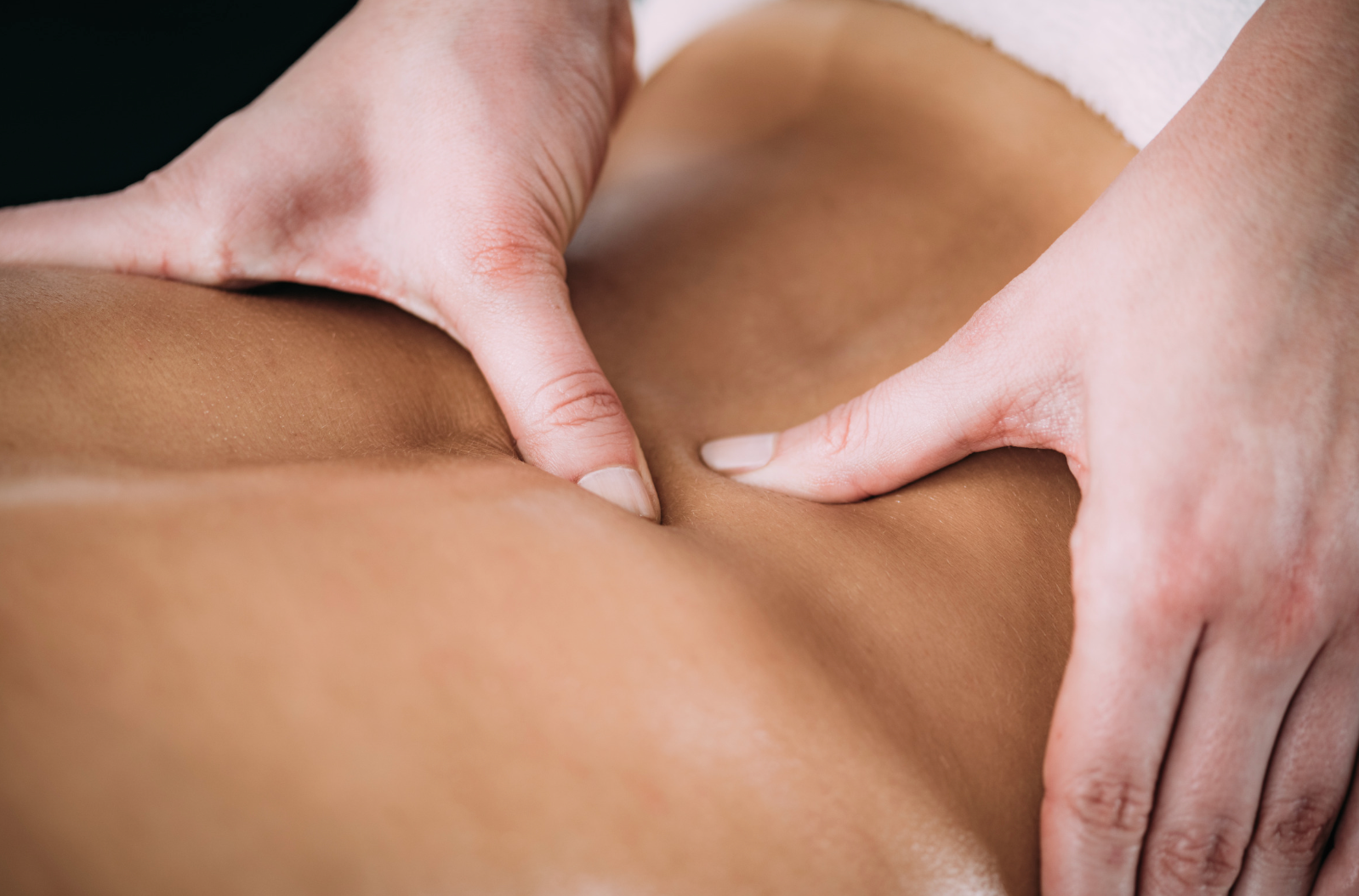
Scar tissue mobilization is where a trained therapist can make a real difference. Hands-on techniques help the scar and surrounding fascia move more freely, which protects your breath, your shoulder mechanics, and your posture down the line. If you live with hypermobility or a connective tissue condition, this care matters even more, because your tissue heals and scars differently.
You Do Not Have to Navigate This Alone
One of the hardest parts of top surgery recovery is not the surgery — it is the silence afterward. A lot of people leave the clinic unsure whether the tightness they feel is normal, when it is safe to reach overhead, or how to get back to the gym without undoing their result. You deserve answers from someone who gets both the surgery and your body.
That is the whole reason we built this kind of care into a queer- and trans-affirming space. If you did prehab before your surgery, post-op physical therapy is the natural next chapter. And if you did not, it is never too late to start — even months out, we can help you loosen a tight chest, rebuild strength, and move with confidence again.
Final Thoughts
Top surgery is a milestone, and how you heal shapes how you carry that result for years. Physical therapy after top surgery is not about rushing your recovery — it is about protecting your incisions, keeping your body moving, and making sure stiffness and scar tightness do not stick around longer than they should. You get to feel strong, mobile, and at home in your chest.
Ready to heal on your terms? Book a free 15-minute consult and let’s build a recovery plan that fits your body and your goals.