If you’ve ever skipped a workout because you weren’t sure your binder made it dangerous, this one’s for you.
For years, the standard advice was blunt: take your binder off before you exercise, no exceptions, no questions. That advice came from somewhere real — binding does put real, measurable pressure on your ribs, your lungs, your posture. But “real pressure” and “always unsafe” turned out to be two different claims, and the research on binding during exercise has moved faster than the advice built around it.
Here’s what the actual evidence says right now, this year — not what a gym forum decided a decade ago.
What binding actually does to your body
Chest binding is common. Over 60 percent of transgender and gender-diverse people assigned female at birth bind at some point, most starting in their teens or twenties. The research on what binding does physically is honest, if a little sobering: in the largest study on the subject, 1,800 people who bind reported their experience, and 97 percent said they’d had at least one negative physical symptom they attributed to it. Back pain, 54 percent. Overheating, 54 percent. Chest pain, 49 percent. Shortness of breath, 47 percent.
What’s happening underneath those numbers is mechanical, not mysterious. A binder compresses your rib cage, which temporarily reduces how much air your lungs can move — measurable drops in vital capacity and other lung function markers while the binder is on. That restriction is real. It’s also, as far as current research shows, reversible. No study has found permanent lung damage from binding itself. Most symptoms show up in the first year, which is also when most people are still dialing in fit, duration, and technique.
What the newest research says about exercising in a binder
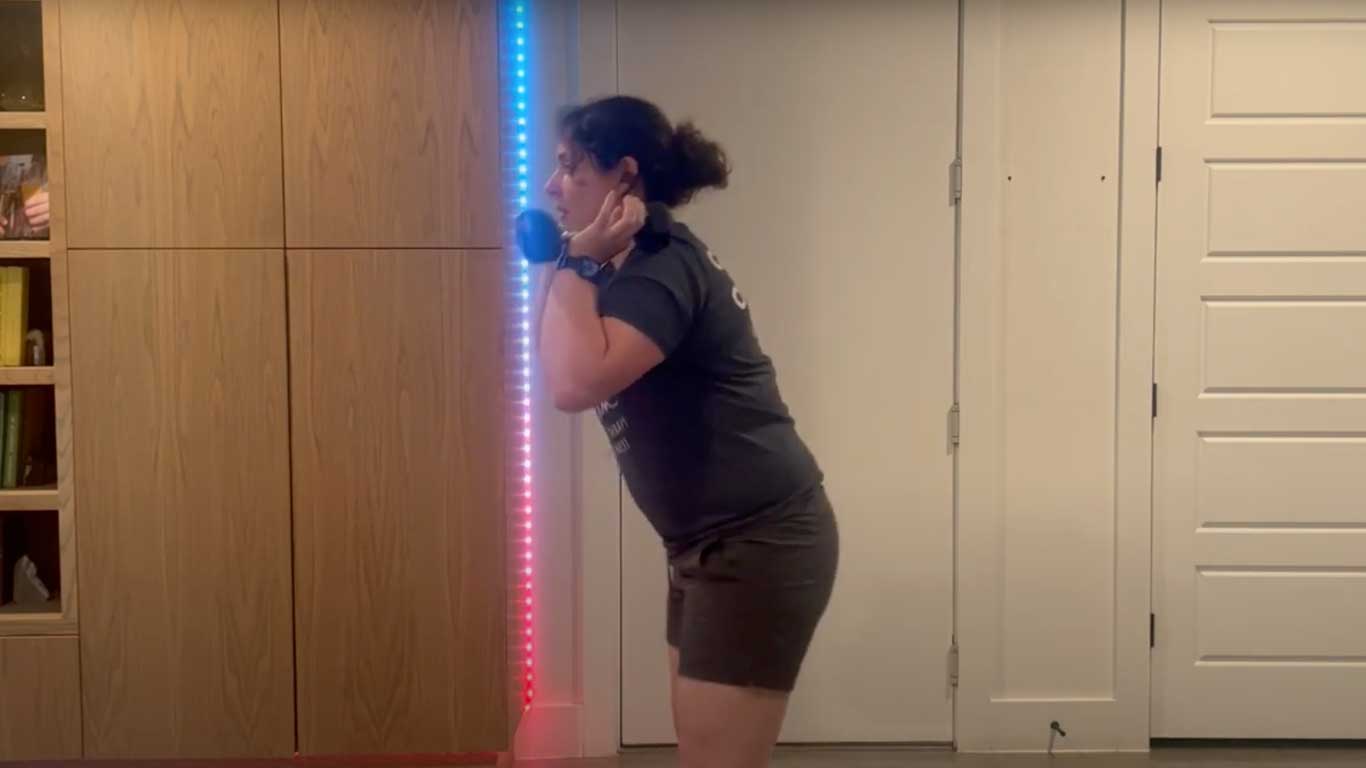
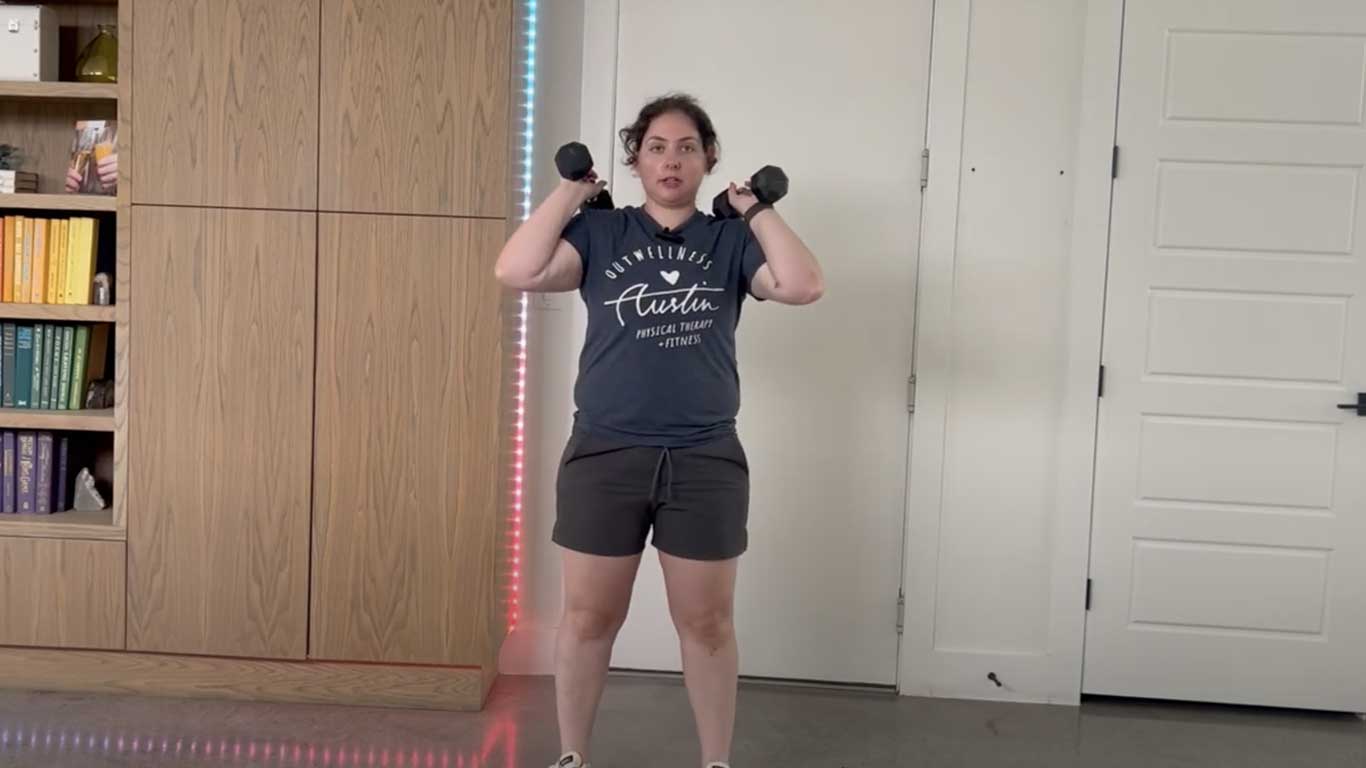
This is where it gets interesting. A small but well-designed study out of a university exercise physiology lab this year had 21 people who’d never bound before complete two workout sessions — one in a properly fitted binder, one in regular clothes. Researchers measured lung function, upper-body strength, cardiovascular fitness, and how the exercise actually felt. The result: no significant difference, in any of it, between the binder session and the regular-clothes session.
That doesn’t mean binding is risk-free during exercise. It’s one small study, short-term, and every participant wore a binder that actually fit — which matters more than almost anything else on this list. But it does mean the blanket rule so many of us were handed, never, under any circumstances, was probably always more caution than evidence. The real variables are fit, duration, and intensity, not the simple fact of wearing a binder at all.
How to move more safely, whatever you decide
None of this is permission to ignore your body. It’s permission to make an actually informed choice instead of guessing. A few things the evidence, and every safe-binding resource worth reading, agree on.
Use a purpose-built binder that fits, never tape, plastic wrap, or layered ace bandages. That’s not where the risk difference is theoretical. That’s where most of the serious injuries, including rib fractures, actually happen.
Keep total binding time under eight hours, with breaks. That’s true on workout days too, maybe especially on workout days.
For longer or higher-intensity cardio, especially in Austin heat, a compression tank or sports bra can be a reasonable swap. The research on binding, sweat, and skin breakdown during hard, hot exercise is still thin, and thin research is a good reason to be a little more careful, not a good reason to panic.
Breathe on purpose. A binder limits how far your diaphragm can expand, so the deep belly breath you’d normally take between sets gets harder to access. Slower, more deliberate breathing before and during a set can buy back some of what the binder takes away.
Know your actual stop signs: dizziness, chest pain that doesn’t match your effort, numbness, or rib and back pain that doesn’t ease up after rest. Those mean stop and get evaluated. They don’t mean you did something wrong by binding in the first place.
Where physical therapy fits into this
This is the part of the conversation that usually gets skipped: you don’t have to choose between binding and moving your body well. Physical therapists work with rib mobility, thoracic rotation, breathing mechanics, and shoulder and posture patterns every single day, which happen to be exactly the systems binding puts under load. A PT who actually understands binding can help you work through binding-related tightness, shortness of breath, or posture changes without ever telling you to stop binding, because that was never the goal in the first place.
We wrote a whole guide to building a workout practice in Austin that already assumes your binder, your dysphoria, and your actual life, worth a read if you’re just getting started. And if top surgery is somewhere on your horizon, binding is often a chapter that eventually closes rather than a permanent fixture; our guide to prehab before top surgery walks through how to prepare your body for that either way.
Final Thoughts
The old rule, never work out in a binder, full stop, came from real risk, but it was never the whole story. The newer, more useful rule is smaller and more specific: fit matters, duration matters, intensity matters, and your body’s actual signals matter more than a blanket policy from a decade-old forum thread. You’re allowed to train with information instead of fear.
Want a training plan that accounts for your actual body, binder included? Book a free 15-minute consult with our physical therapy team.