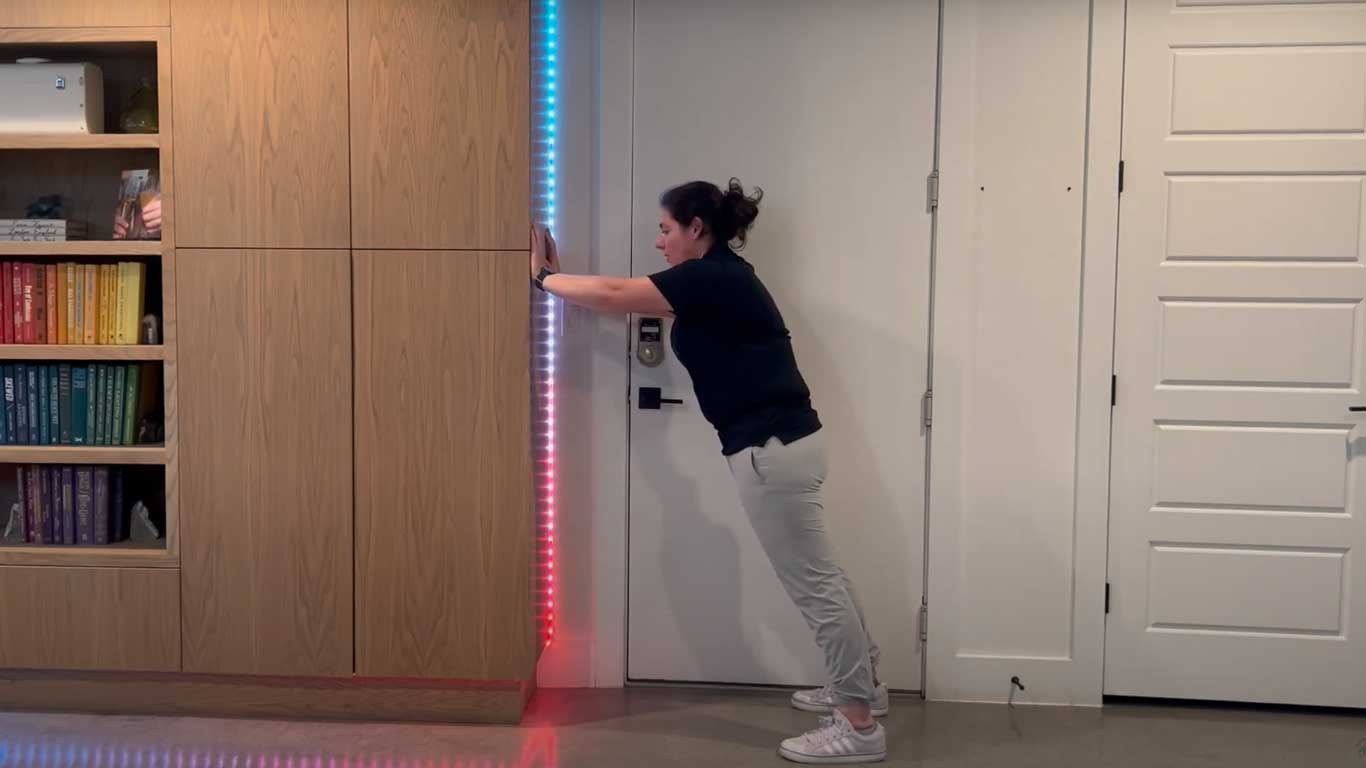
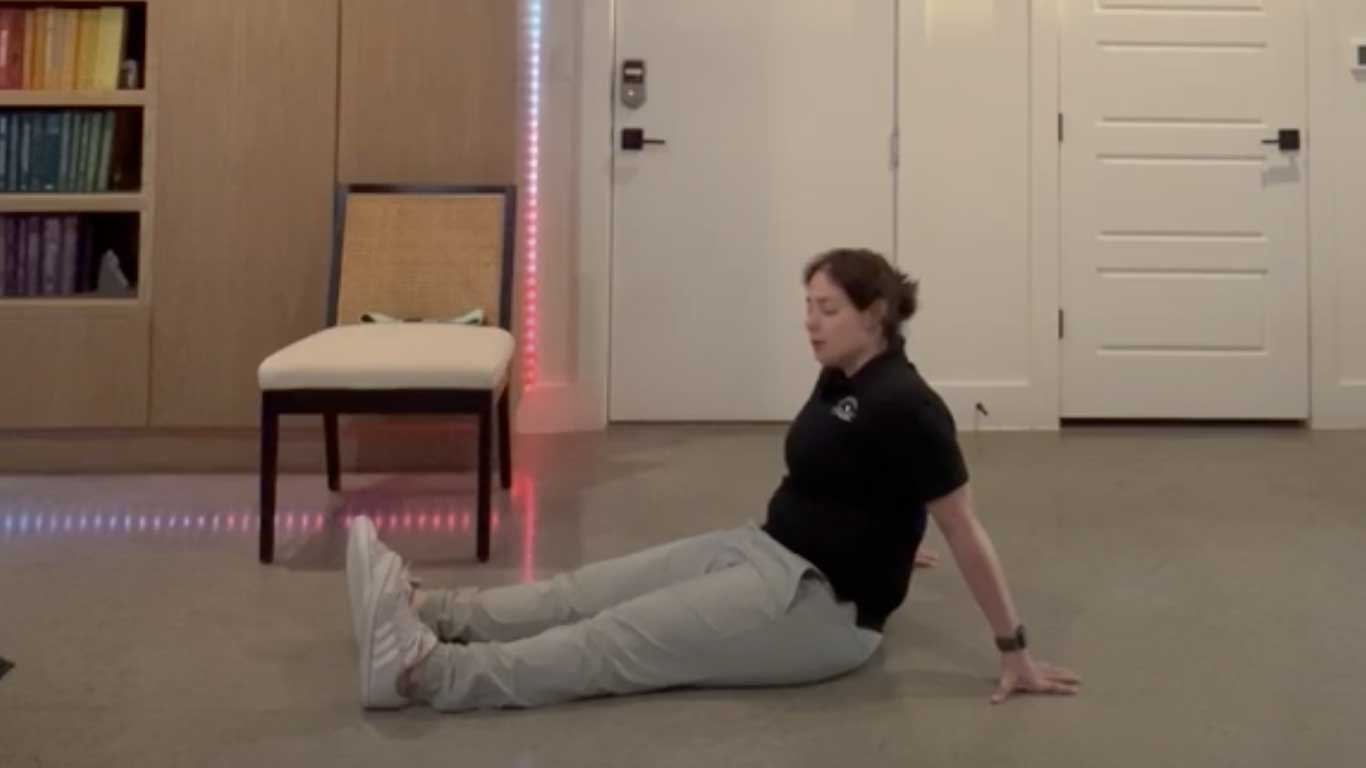
If you saw “exercise doesn’t really help osteoarthritis” somewhere this year and quietly stopped moving, this one’s for you.
A massive new review of the research made headlines in early 2026 with a version of that exact line. If you have osteoarthritis, or you’re the one who’s been told for years that exercise is the first thing to try, that’s a confusing headline to sit with. It’s also not quite what the study said.
We read the actual paper, not just the write-ups about it. Here’s what it found, what got lost on the way to the headline, and what still holds up for your joints.
What the study actually found
The review, published in RMD Open in February 2026, pooled five earlier systematic reviews covering 100 trials and more than 8,600 people, plus 28 additional trials on top of that, across knee, hip, and hand osteoarthritis. That’s one of the largest looks at this question to date.
Compared with doing nothing at all, exercise reduced knee pain by about 12 points on a 0-to-100 scale, hand pain by about 10 points, and hip pain by about 7 points. Those are real, measured effects. They’re also small by the researchers’ own definition of what counts as a meaningful change, and the hip number falls under even that bar. Over the longer term, the effects faded further.
The authors’ own conclusion is more careful than the headline: the evidence is “largely inconclusive,” and the findings “question the universal promotion of exercise therapy as the sole focus in first-line treatment.” That is a different claim than “exercise doesn’t work.” It’s closer to “exercise shouldn’t be prescribed the same way for every single patient and called done.”
What the number doesn’t tell you
An average across 128 trials flattens a lot. Most of what got pooled here was generic exercise, often a handout of stretches given at a short appointment, not a program built around your specific joint, your job, and how you actually move through a day. The trial quality backs that up: by the authors’ own methodological grading, none of the included trials were rated low risk of bias, and most of the underlying systematic reviews scored low or critically low on quality. A “small average effect” measured across a pile of inconsistent, often weak studies is not the same finding as “exercise can’t help you specifically.”
A few trials in the review also compared exercise against total knee or hip replacement, and exercise came out behind. That’s not a surprise. Replacing the joint is a different category of treatment than strengthening the muscles around it, and it carries its own risks and recovery. The authors weren’t telling anyone to skip exercise in favor of surgery. They were asking providers to stop treating exercise as an automatic, one-size-fits-all first step for everyone who walks in with joint pain.
What still holds up
The Centers for Disease Control and Prevention’s own guidance hasn’t changed: people with arthritis who stay physically active report real improvement in pain and function, and the agency recommends about 150 minutes a week of moderate, low-impact movement, like walking, swimming, or biking, for exactly that reason.
The clinical picture backs this up from a different angle. The American Physical Therapy Association’s own patient guide points out that people with knee osteoarthritis who build their muscle strength report less pain and a better quality of life, and that aquatic therapy lets you load the joint while the water takes the pressure off, which matters a lot if your knee or hip isn’t ready for full weight-bearing work yet.
Exercise is also about as low-risk as treatment gets, especially compared with long-term medication or surgery, and it comes with benefits no pain scale on a research form is built to catch: better sleep, better mood, steadier blood sugar, stronger bones, and more independence in the rest of your life.
What this looks like at OutWellness
We don’t hand you a generic sheet of stretches and call it a plan. A program built around your specific joint and your specific life starts with an actual assessment: which joint, how it’s loading during your real day, what strength and mobility you’re starting from right now, not where a textbook says you should be. From there we build a strength and mobility program that can flex and progress as your body adapts, including low-impact strength and mobility work in our open gym for joints that aren’t ready for heavier loading yet.
That’s the same evidence-grading approach we leaned on when the newest strength training guidelines came out: look at what the research actually supports, and build the plan around the person in front of us, not a generic protocol. And because a body in pain has often had its pain dismissed, minimized, or blamed on its size before, we bring the same trauma-informed, weight-inclusive approach to a joint evaluation that we bring to everything else here. Your pace is yours. Your body is not the problem.
Final thoughts
Don’t let one headline talk you out of moving, and don’t let anyone sell you exercise as a cure-all either. The honest answer sits in between: movement remains one of the safest, most available things you can do for an arthritic joint, and it works best as part of a plan built around your actual body, not an average pulled from a stack of inconsistent studies. You deserve care that treats you as a specific person, not a data point.
Dealing with joint pain and tired of generic advice? Book a free 15-minute consult with our physical therapy team.