If you’re on hormone therapy and nobody has told you what that means for your bones, this post is for you.
Bone density is one of those topics that shows up as a single worried sentence in most hormone therapy conversations, if it shows up at all. Estrogen supports bone health. Testosterone usually helps too. And then everyone moves on to the things that feel more urgent.
That sentence isn’t wrong, but it isn’t the full picture either. The research on hormone therapy and bone density is more specific than “hormones good, bones fine,” and the research on what actually builds bone back is even more specific than that. Here’s what both bodies of evidence say, and what to do with them.
What hormone therapy actually does to your bones
The biggest study on this, a ten-year look at transgender women and transgender men on hormone therapy, found something genuinely reassuring: bone density held steady or improved in both groups over the decade. That’s the headline, and it’s a real one.
But the same study found that nearly 22% of transgender women already had low bone density for their age before starting hormones at all, compared to about 4% of transgender men. The hormones weren’t the problem. What came before them, often years of lower muscle mass, less loading on the skeleton, and in some cases inadequate estrogen dosing once treatment started, was doing the damage.
The study also found that transgender women with higher estradiol levels gained bone density, while those with the lowest levels lost it. Adequate, consistently monitored hormone levels protect bone. Being on hormone therapy in name only, without the dosing to back it up, doesn’t.
Why this matters more than the one-sentence version
This is the part that gets flattened into “estrogen helps bones” and then dropped. Bone density on hormone therapy isn’t automatic, and it isn’t something you can check once and forget about. It depends on your levels staying in range, on how long you went before starting treatment, and on whether a gonadectomy, if you’ve had one, happened with hormone replacement in place to cover the gap.
None of that is a reason for alarm. It’s a reason to treat bone health as something you actually track, the same way you’d track strength or weight or blood pressure, instead of a side note you heard once at a provider visit.
Here’s where strength training earns its place in this conversation, and where the research gets specific in a way most summaries skip.
What the evidence says actually builds bone
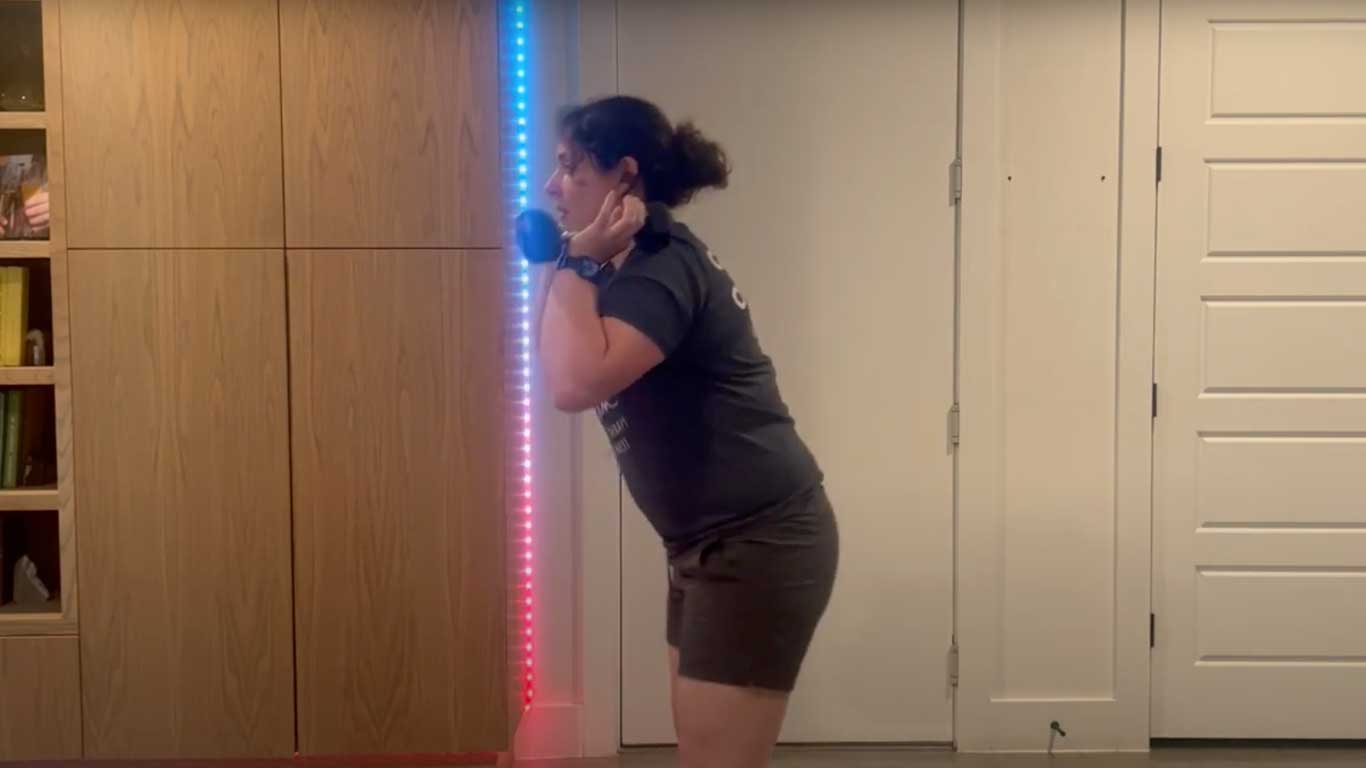
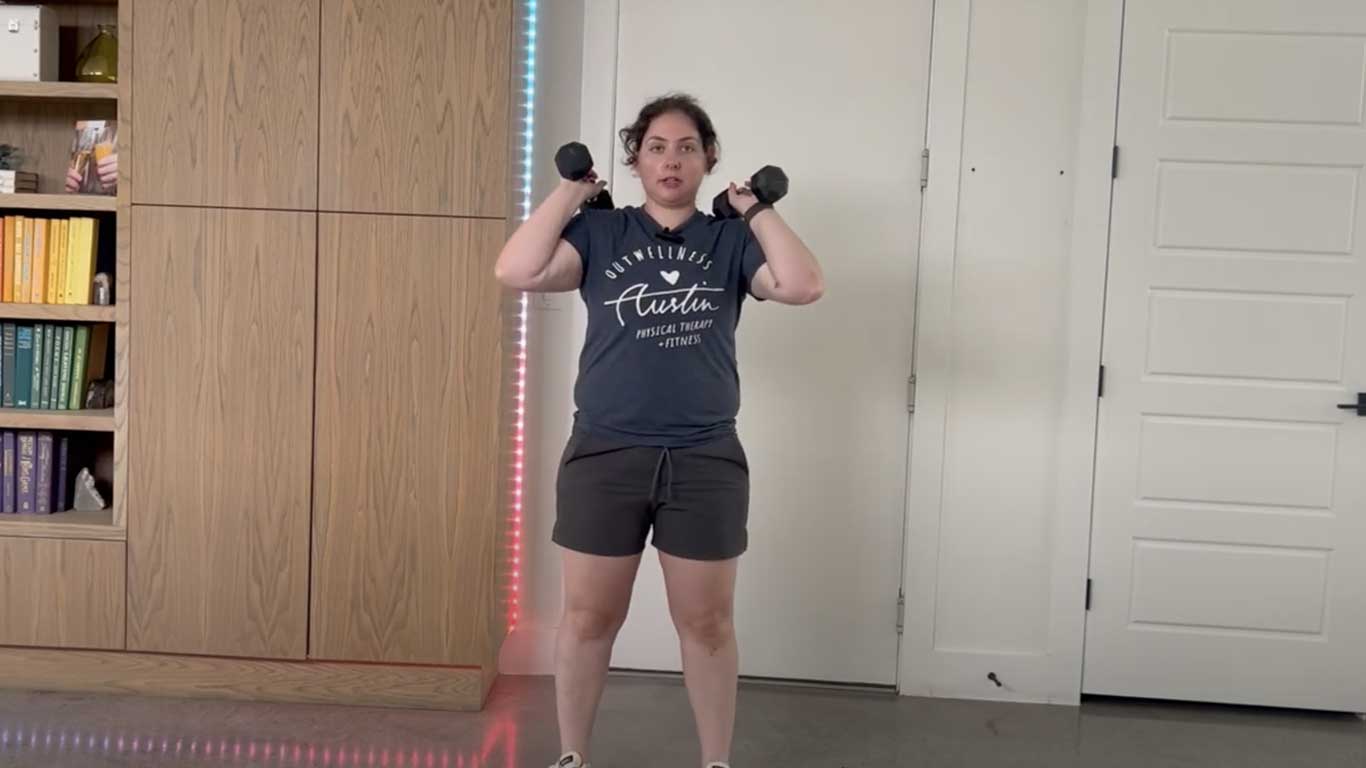
The LIFTMOR trial put postmenopausal women with low bone mass through eight months of twice-weekly, supervised heavy resistance training: deadlifts, back squats, overhead presses, and a jumping chin-up with a controlled landing, loaded at 80 to 85% of what they could lift for one rep. Lumbar spine bone density rose by about 2.9% in that group, while a low-intensity control group lost about 1.2%. Femoral neck density rose slightly in the heavy-training group and dropped nearly 2% in the control group. Strength gains in the legs and back ran around 35%. Across more than 2,600 supervised sessions, there was one minor strain. Nobody fractured.
That trial wasn’t done on people on hormone therapy specifically, but the mechanism it tested, heavy, progressive load on the skeleton, is the same mechanism your bones respond to regardless of what’s driving your hormone levels. ChoosePT’s guide to osteoporosis backs this up more generally: weight-bearing activity most days of the week, plus resistance training two or three of those days, is the standard recommendation for building and maintaining bone.
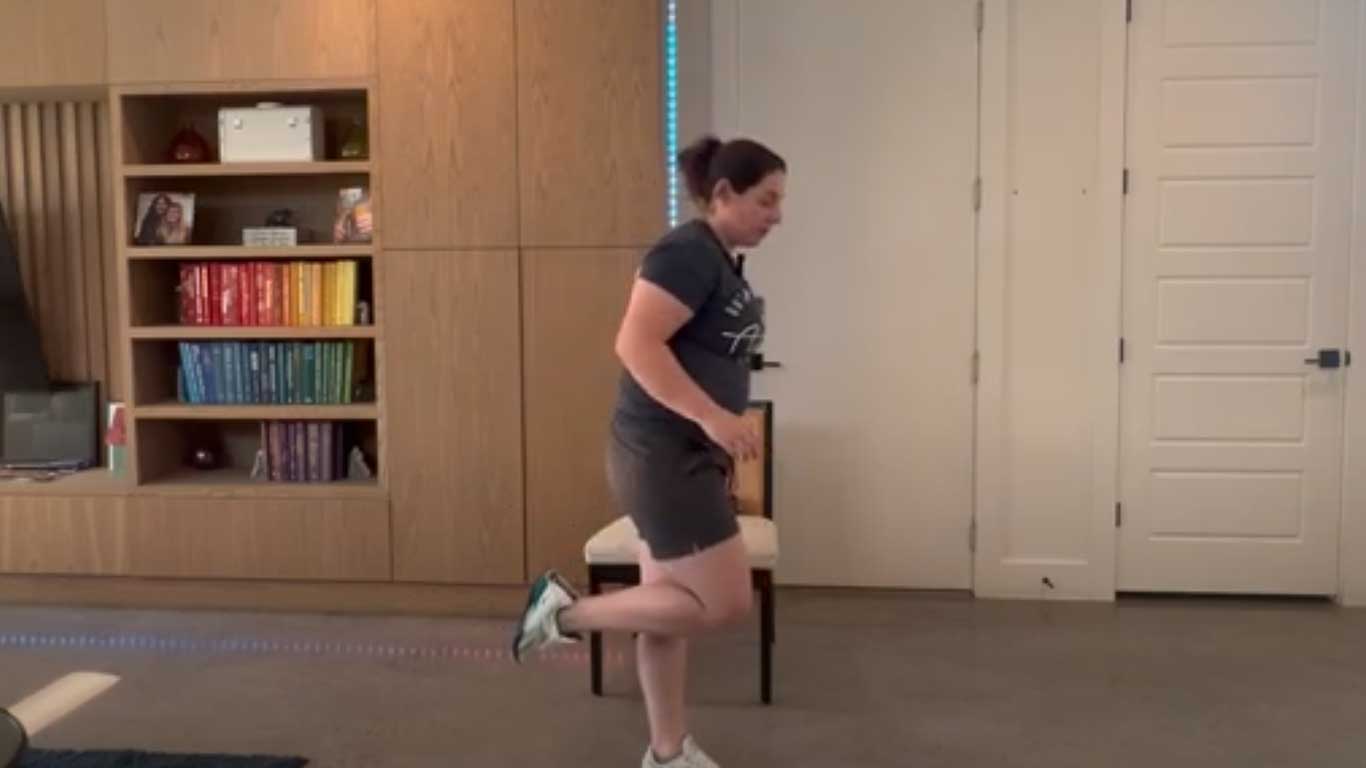
You don’t need a program as intense as LIFTMOR’s to get a meaningful effect. You need load that’s genuinely challenging by the last couple of reps, applied consistently, two to three times a week, for months at a time. Walking helps your heart. It does far less for your spine than a loaded squat does.
What this looks like in practice
If you’re newer to lifting, the goal isn’t to walk in and attempt 85% of a one-rep max on day one. It’s to build toward real load gradually: compound movements first, technique before weight, and a slow, steady increase in what you’re lifting over months, not weeks. We’ve written before about how hormone therapy changes strength training more broadly, and the same principles, progressive overload, adequate rest, and patience with tendons and ligaments that adapt slower than muscle, apply here too.
If bone density is a known concern for you, a DEXA scan before you start gives you and your provider an actual baseline instead of a guess. From there, your training plan can be built around what your bones specifically need, not a generic program borrowed from someone else’s body.
What this looks like at OutWellness
We don’t treat bone health and strength training as two separate conversations that happen to overlap. When bone density is a factor in your care, we build your program around it from the start: real load, progressed carefully, with the same trauma-informed approach we bring to every session, so you’re told what we’re doing and why, and your plan reflects your actual body and history instead of a textbook average.
Final Thoughts
Hormone therapy is not the threat to your bones that a single cautious sentence makes it sound like. The research says bone density can hold steady or even improve on hormone therapy, especially with consistent monitoring and adequate levels. But holding steady isn’t the ceiling. Heavy, progressive strength training is one of the few things with real evidence behind it for building bone back, and you don’t have to guess your way through it alone.
Curious what a bone-conscious strength program looks like for your body? Book a free 15-minute consult with our personal training team.