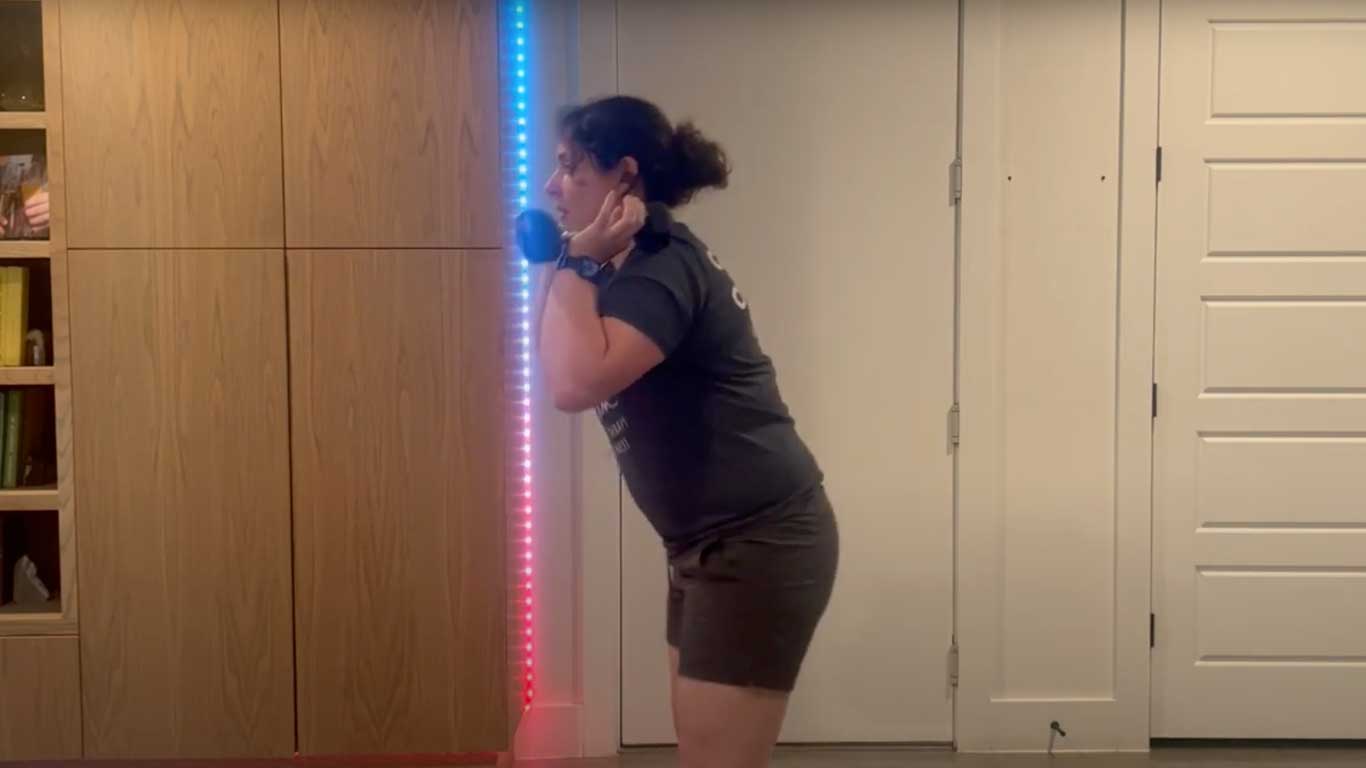
Be honest: when was the last time you actually warmed up before a run?
If your “warmup” is walking from your car to the trailhead, you are not alone. Most recreational runners skip it entirely, then wonder why their knees, shins, and hips start complaining a few weeks into a new routine.
Here is the thing: running injuries are common, with research estimating that a majority of regular runners deal with an injury in any given year, and most of them are overuse injuries that build gradually. You cannot prevent every injury, but a proper warmup is one of the cheapest, fastest tools you have. It takes eight minutes. Here is why it works and exactly what to do.
Why Warming Up Actually Matters
A warmup does three things for your body before a run.
First, it raises tissue temperature and blood flow. Warm muscles and tendons absorb force better than cold ones, and running is a series of thousands of single-leg impacts, each one loading your joints with several times your body weight.
Second, it wakes up the right muscles. Most of us run after a full day of sitting. Your glutes and core, the muscles that stabilize your pelvis with every stride, are essentially asleep. A good warmup turns them back on so your knees and shins do not absorb work your hips should be doing.
Third, it rehearses the movement. Research on dynamic warmups shows they improve strength, speed, and neuromuscular control, and that athletes who use them consistently experience fewer strains and overuse injuries.
One important note: the old habit of static stretching before a run, holding a long stretch while cold, is not the move. Save the long holds for after your run. Before a run, your warmup should be dynamic, meaning you are moving the whole time. Studies comparing warm-up, cool-down, and stretching routines consistently point to one bigger truth, too: the warmup works best as part of a sensible overall routine, not as a magic shield for doing too much, too soon.
The 8-Minute Dynamic Warmup We Teach
Do this right before you run. No equipment needed.
1. Brisk walk or easy jog — 2 minutes.</strong> Start slower than feels necessary. The goal is gradually rising heart rate, not pace.
2. Leg swings — 30 seconds each direction, each leg. Front-to-back, then side-to-side. Hold a wall or fence for balance. This preps your hips through a full range of motion.
3. Walking lunges with a twist — 10 total. Step into a lunge, rotate your torso over the front leg, and step through. Hits hips, quads, and core in one move.
4. Glute bridges or single-leg glute bridges — 10 to 15 reps. This is the “wake up your glutes” step. If you only do one thing from this list, do this one.
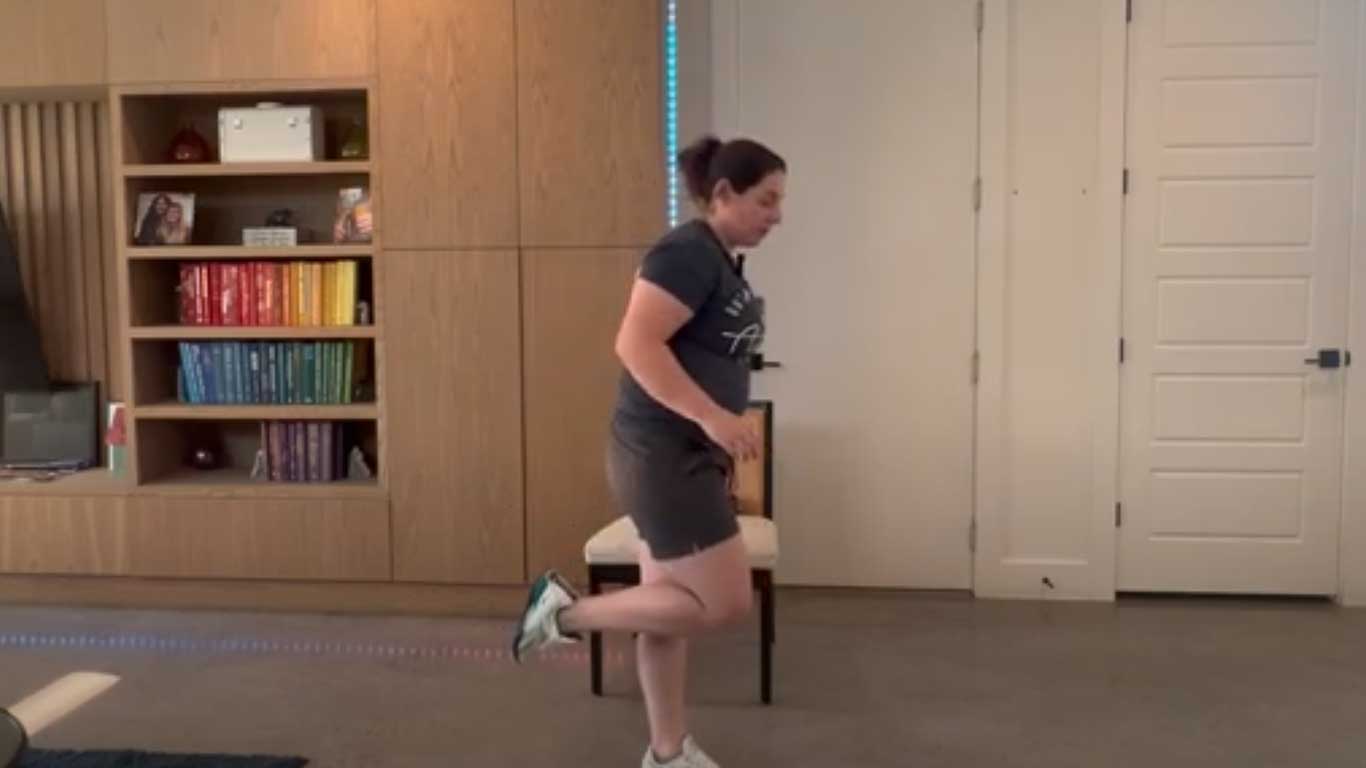
5. High knees and butt kicks — 30 seconds each. This rehearses the running motion and brings your heart rate up to running effort.
6. Strides — 2 to 4 x 20 seconds. Short pickups at a comfortably fast pace with full recovery between. Now your first real mile will not feel like dragging a cold engine uphill.
That is it. Eight-ish minutes, and your body starts the run prepared instead of catching up.
The Other Half of Injury Prevention: Strength and Load
A warmup prepares you for today’s run. Strength training prepares you for the whole season. Stronger calves, glutes, and hamstrings absorb impact better and resist the fatigue that erodes your running form late in a run. If lifting feels like unfamiliar territory, our guide to starting strength training safely when the gym feels intimidating was written exactly for you.
The same principle applies to your mileage: most running injuries are not caused by a single bad step, but by ramping up faster than your tissues can adapt. A good rule of thumb is to increase weekly mileage gradually and let your body consolidate before adding more.
When a Niggle Becomes a Problem
Pain that warms up and disappears during a run is worth watching. Pain that worsens as you run, changes your stride, or lingers into the next day is worth addressing.
Runner’s knee is one of the most common culprits, and we put together a guide on relieving front knee pain with PT exercises you can start at home. But if pain has been hanging around for more than a couple of weeks, a movement assessment can find the root cause, whether that is hip weakness, training load, or something in your gait, before it sidelines you for a season.
Final Thoughts
Injury prevention for runners is not complicated, but it is consistent: warm up dynamically before every run, strength train, build mileage gradually, and respect pain that sticks around. Eight minutes before each run is a small price for staying on the road, trail, or treadmill doing the thing you love.
Dealing with a running injury, or want a professional eye on your movement before one starts? Our queer-affirming physical therapy team in Austin offers free 15-minute consults. Come as you are, running shoes optional.