If you’re planning gender-affirming surgery — or recovering from one — and nobody has mentioned physical therapy to you yet, this post is for you.
Gender affirming physical therapy is one of the most useful, least talked-about pieces of transition care. Surgeons tell you what to expect in the operating room. They don’t always tell you how to get your shoulders moving again after top surgery, or what your pelvic floor needs before vaginoplasty, or how to rebuild strength when your body feels unfamiliar.
That’s the gap this kind of care fills. And you don’t have to wait until something hurts to use it — you do not have to earn care by suffering longer.
What Gender Affirming Physical Therapy Actually Is
Gender affirming physical therapy is regular, evidence-based physical therapy delivered by clinicians who understand trans and non-binary bodies, the surgeries you may be navigating, and the realities of moving through healthcare as a queer person.
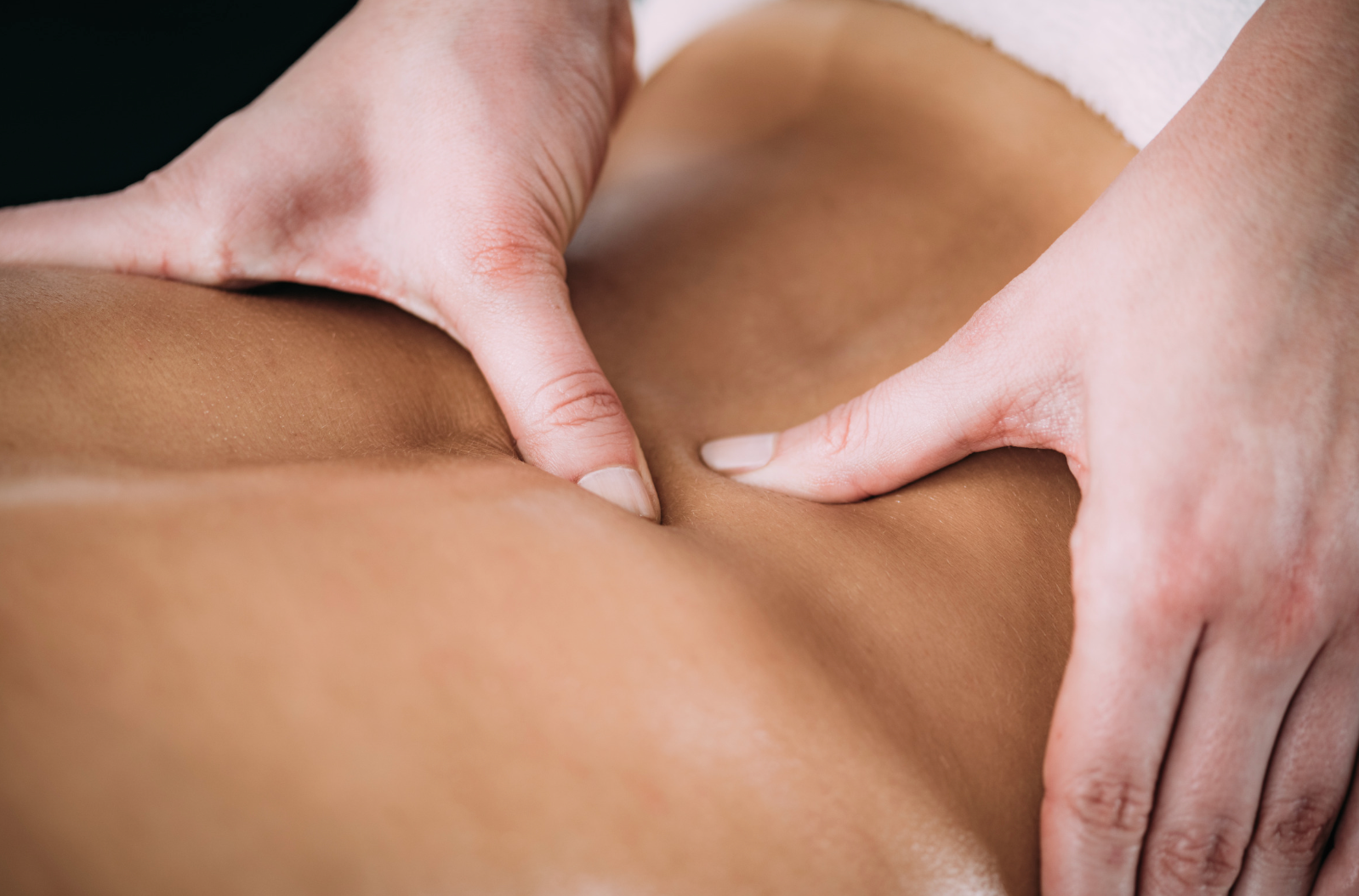
Concretely, that can look like preparing your chest, shoulders, and pelvic floor before surgery; hands-on scar work and mobility training after surgery; help with pain from binding or tucking; and strength training that matches your goals for your body — not someone else’s template.
It also means the basics are handled without you having to manage anyone: correct name and pronouns, no invasive questions that aren’t relevant to your care, and consent before any hands-on treatment. Recent research on trans and non-binary experiences in physical therapy found that many of us delay or avoid rehab care because clinics don’t feel safe. The care itself works — the environment is usually the barrier.
Before Surgery: Prehab Sets You Up to Heal
The weeks before surgery are a real opportunity. Building shoulder mobility and upper-back strength before top surgery makes those early post-op restrictions easier on your body — we’ve written a full guide on prehab before top surgery if that’s where you are.
The evidence for pelvic surgery is even stronger. In a study of transgender women preparing for vaginoplasty, 42% had pelvic floor dysfunction before surgery — and patients who did pelvic floor therapy both before and after surgery had dramatically lower rates of pelvic floor problems afterward than those who started only after (28% versus 86%). Learning to find, relax, and coordinate your pelvic floor before surgery makes dilation and recovery meaningfully easier.
After Surgery: Recovery Is a Skill, Not a Waiting Game
After top surgery, your surgeon will limit arm movement for the first several weeks — UCSF’s gender-affirming care guidelines outline why protecting your incisions early matters. But once you’re cleared, gentle guided movement is what restores your reach, your posture, and your comfort. Scar tissue responds to hands-on work. Shoulders that have been guarded for weeks need progressive loading, not just time.
After vaginoplasty or other bottom surgeries, pelvic floor therapy helps with dilation comfort, urinary function, and returning to sitting, walking, lifting, and sex without fear. None of this is automatic, and none of it requires you to white-knuckle through pain alone.
A good therapist gives you a plan with clear milestones, so you always know what your body is ready for next.
Why This Matters in Austin Specifically
Finding gender affirming physical therapy in Austin shouldn’t require vetting ten clinics and hoping. At OutWellness, physical therapy is delivered in a trans- and queer-owned space in South Austin, by clinicians who are part of the community they serve — including fellowship-trained, dry-needling-certified care for post-op recovery, chronic pain, hypermobility, and pelvic health.
Because we’re also a gym, your care doesn’t end when the table work does. You can move from rehab into personal training, group classes, or open gym membership without re-explaining yourself to a single new person.
Final Thoughts
Gender-affirming surgery is a big investment in your life. Physical therapy protects that investment — before surgery, it prepares your body; after surgery, it gives you back your strength and range on purpose instead of by accident.
You deserve care where you never have to educate your provider about who you are before you can talk about what hurts. That care exists, and it’s here in Austin.
Ready to feel supported in your recovery? Book your free 15-minute consult and let’s build your plan together.