If a lift has ever made you feel steadier, clearer, or more like yourself on the walk out than you did on the walk in, this post is for you.
That feeling is not just endorphins and good vibes. It is measurable, it is repeatable, and researchers have been quietly building the case for it for years.
Strength training is not only a tool for building muscle or hitting a number on the bar. It is a legitimate mental health intervention, backed by real evidence, and it deserves to be talked about that way.
The evidence is bigger than “exercise helps”
You have probably heard that exercise is good for your mood. The research on resistance training specifically goes a lot further than that. A 2018 meta-analysis in JAMA Psychiatry pooling 33 randomized trials and 1,877 adults found that resistance training produced a significant reduction in depressive symptoms, and the effect held regardless of how much stronger people actually got, their age, their health status, and how much total exercise they did. The muscle gain was not the mechanism. Showing up and doing the work was.
A newer analysis of 29 trials and over 2,000 adults with clinically diagnosed depression found an even larger effect, and it held up whether people were dealing with depression alone or depression alongside a serious medical diagnosis like heart failure or cancer. This is not a small, fragile finding. It replicates.
What dose actually moves the needle
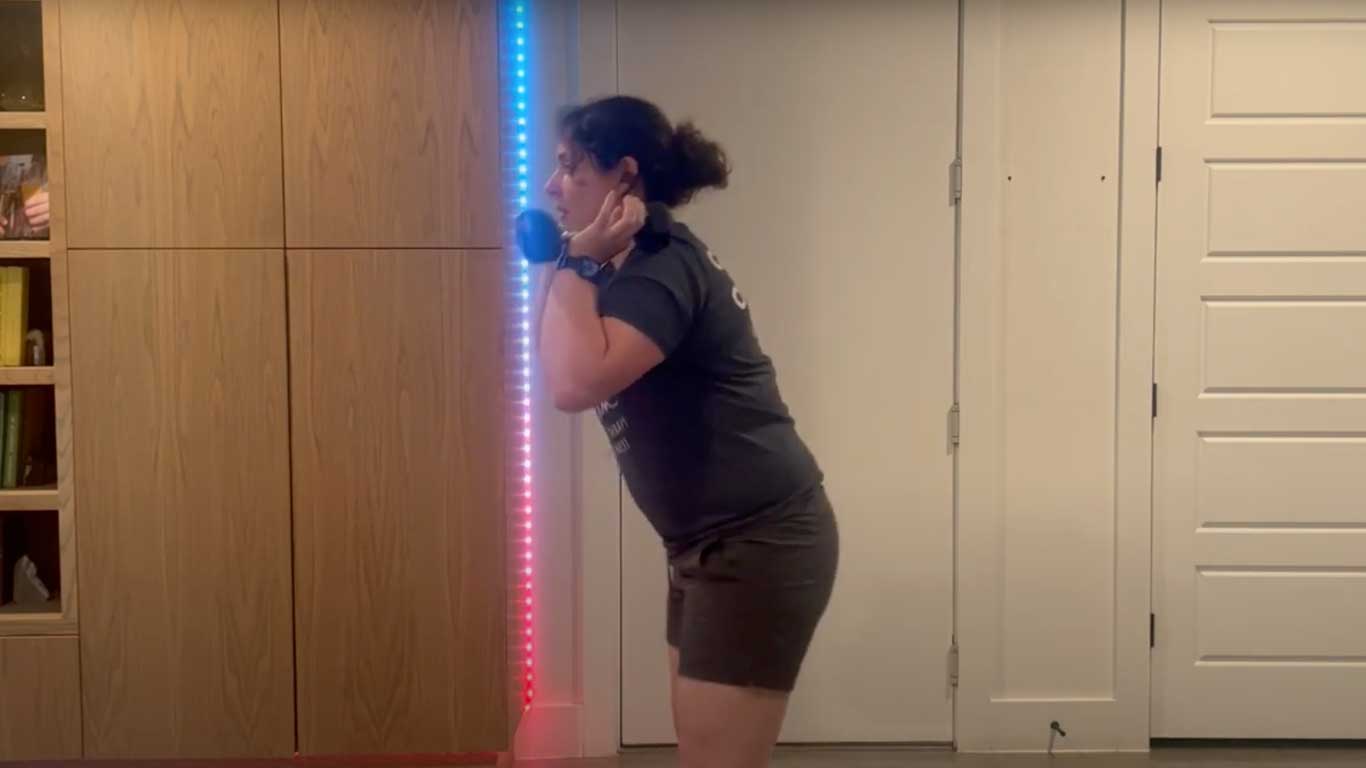
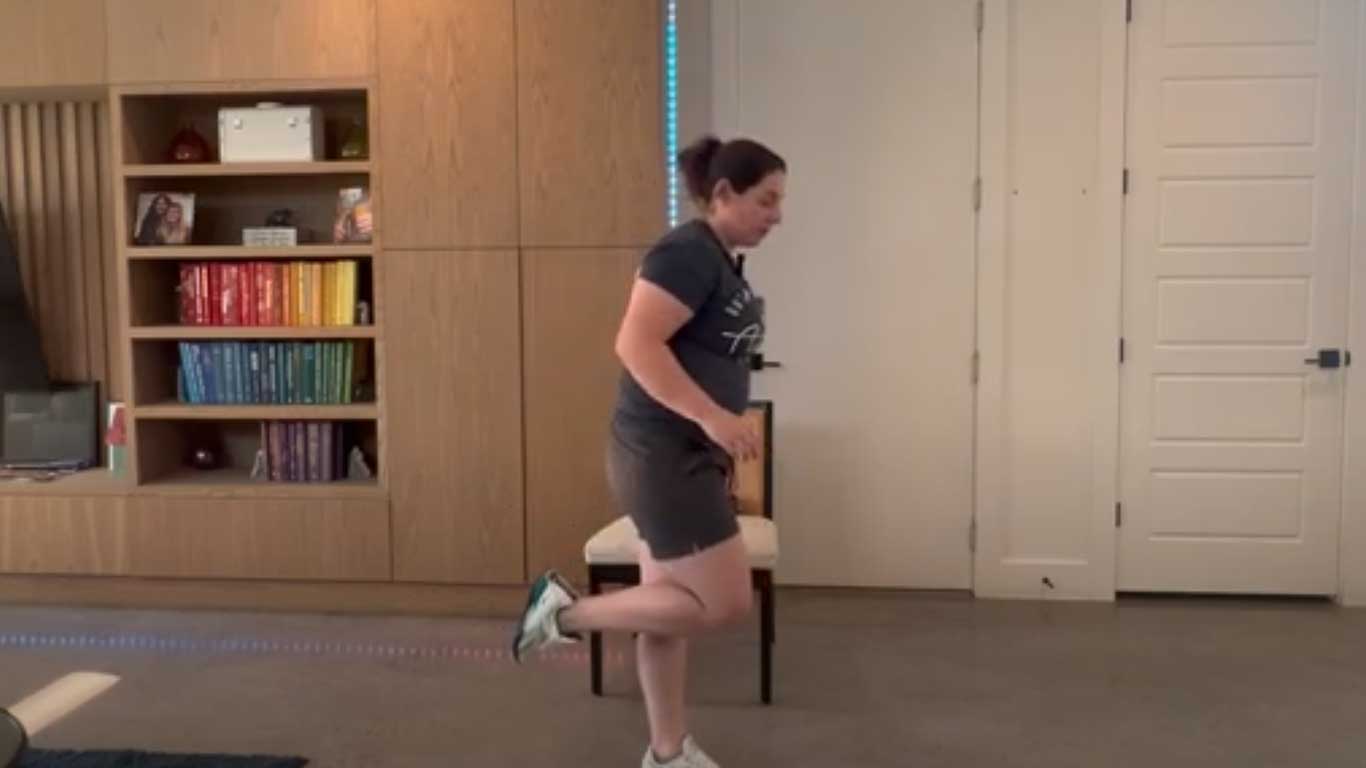
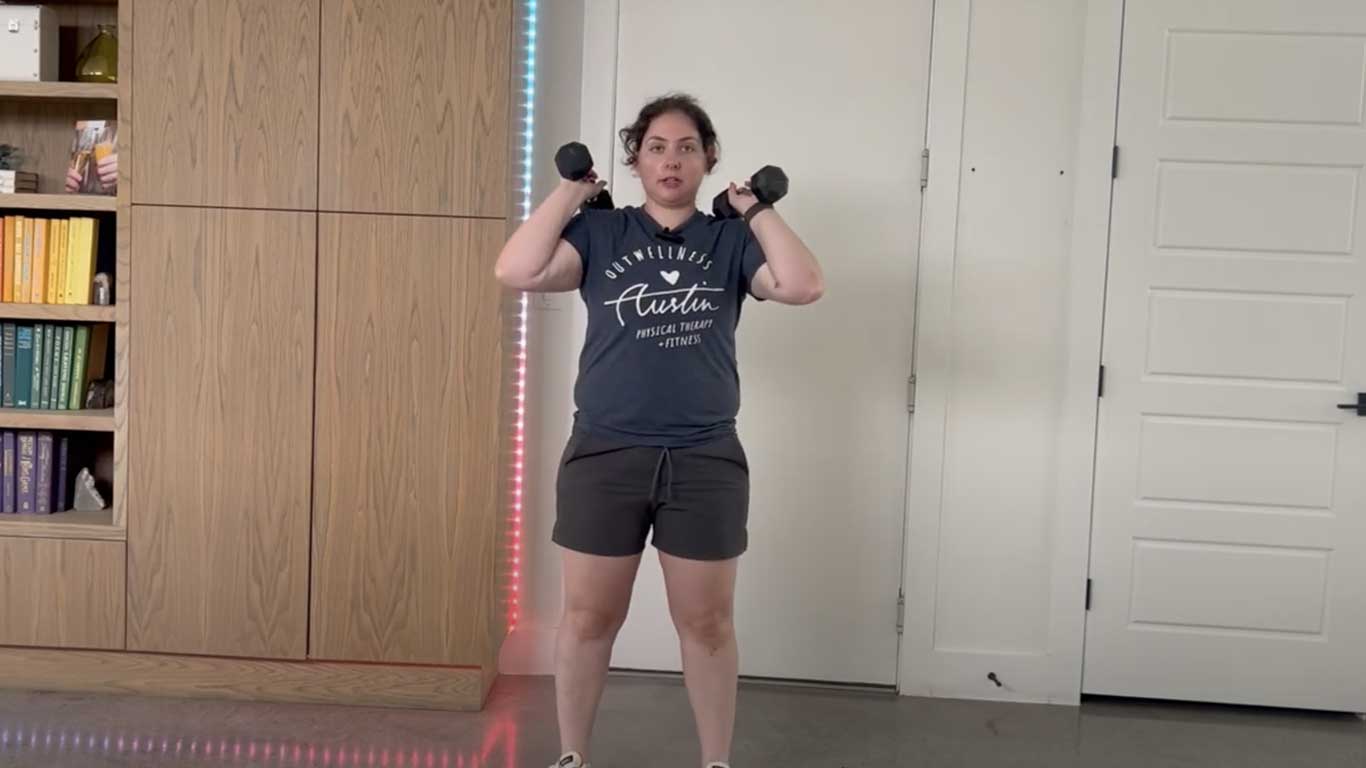
Here is the part that surprises people: you do not need a brutal program to get this benefit. Across the research, two to three sessions a week, 30 to 60 minutes each, at a moderate effort, is where most of the benefit shows up. Most of the trials behind these numbers used fairly ordinary strength work, three sets of 8 to 12 reps, at a weight that felt genuinely challenging by the last couple of reps, nothing more exotic than that.
A 2023 umbrella review in the British Journal of Sports Medicine, which pulled together nearly 100 existing reviews, concluded that exercise, resistance training included, should be treated as a mainstay approach for depression, anxiety, and psychological distress, not an optional add-on to “real” treatment.
Consistency outperforms intensity here, the same way it does for building strength. You are not failing if your version of this is two sessions of moderate weight a week instead of five brutal ones. The research says that is plenty.
Why “just go to the gym” isn’t advice that works for everyone
None of this is useful if the gym itself is the thing raising your nervous system’s alarm. A 2025 study of LGBTQ+ participants at the Gay Games found that transgender participants reported psychological distress at nearly double the rate of cisgender participants, and that fear of discrimination at athletic events was independently linked to that distress. The same research found something hopeful on the other side of it: people who felt connected to teammates and community, not just people who showed up and exercised alone, had meaningfully better mental health outcomes.
In other words, the room matters as much as the reps. If you have been told to “just start working out” for your mental health without anyone acknowledging that walking into the wrong gym can cost you more than it gives you, you were not given the full picture. We have written before about what actually makes a gym safe, and it is worth a read before you pick where to do this work. Safety is not a preference here. It is a precondition.
What this looks like at OutWellness
This is why we do not separate “get stronger” from “feel safe doing it.” Every program here starts with the same trauma-informed approach we bring to physical therapy: you are told what we are doing and why, you have a say in pace and touch, and nothing about your plan assumes your body or your history is a problem to manage around.
If you are newer to lifting, or coming back to it after time away from spaces that did not feel safe, we build from where you actually are, not from a generic program that assumes everyone starts at the same place. If you already know your way around a barbell, we can talk about load, frequency, and progression the same way the research above does, because that conversation works better than guessing.
Final Thoughts
Lifting weights will not replace therapy or medication when you need those things, and this post is not telling you to swap one for the other. But the evidence is clear that resistance training is a legitimate, measurable piece of mental health care on its own, not just a nice side effect of looking a certain way. You deserve a place to do that work where the room itself is not costing you something before you even pick up a weight.
Curious what a strength program built around your actual nervous system looks like? Book a free 15-minute consult with our personal training team.