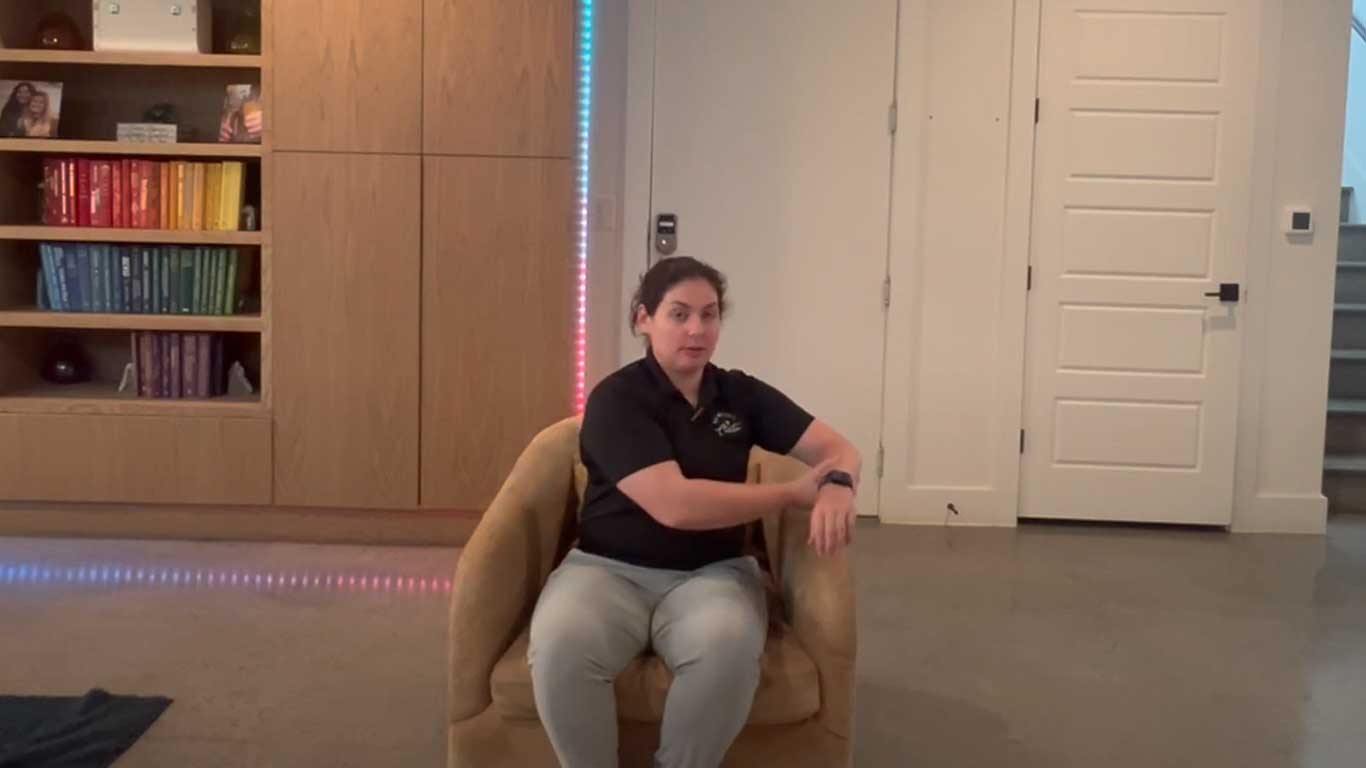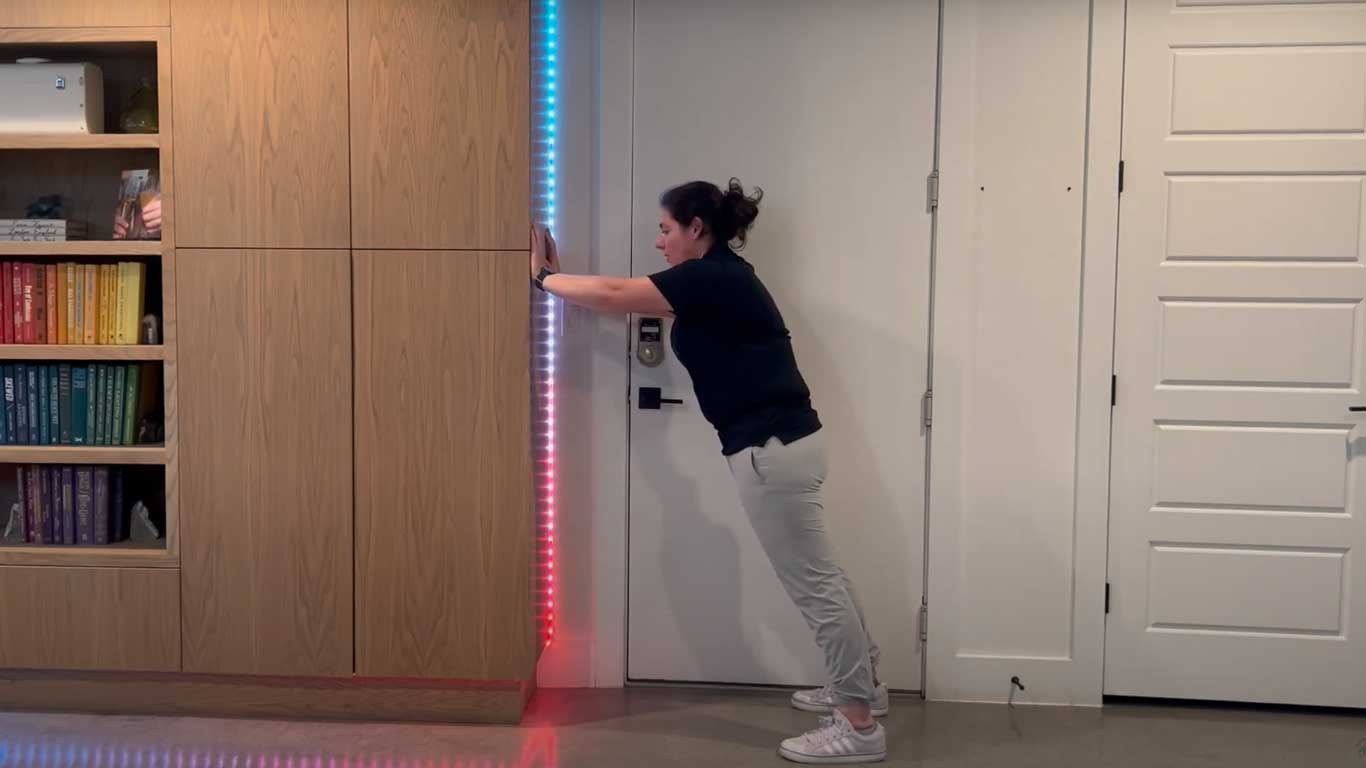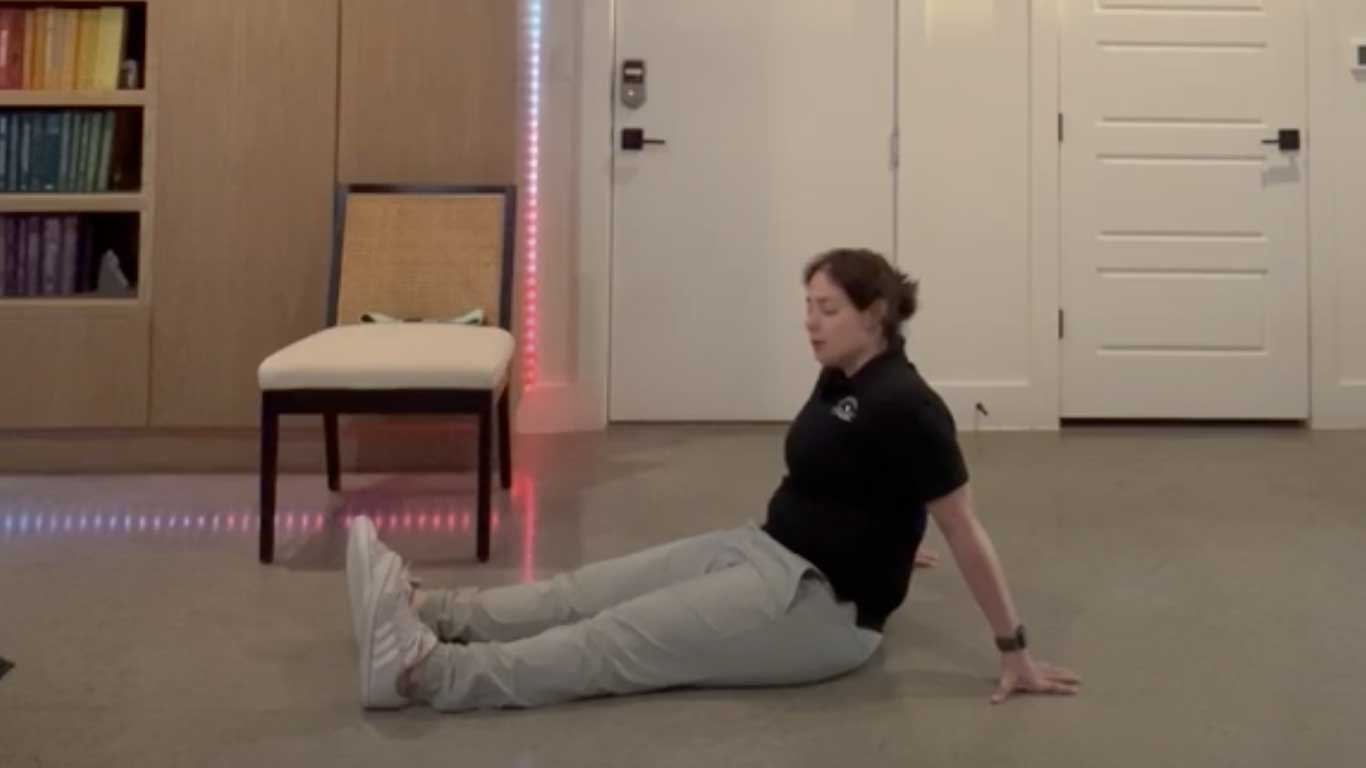
If someone told you to just rest until your back stops hurting, this one’s for you.
About one in four people in the U.S. report low back pain in any given three-month stretch. If you’re in that group right now, you’ve probably already collected a stack of advice: rest it, stretch it, get an X-ray just to be sure, and see a specialist before you do anything else. Most of that advice is outdated. Some of it will actively slow down your recovery.
Physical therapy research on low back pain has moved a long way past bed rest and wait-and-see. The current evidence is specific about what helps, what doesn’t, and why bracing against your own pain can make it worse. Here’s what it actually says.
Rest less than you think
Most low back pain is mild, and most of it resolves on its own. But most people who have one acute episode go on to have at least one recurrence, and how you handle the first one shapes what the next one looks like.
The American Physical Therapy Association’s own patient guide is blunt about this: bed rest for longer than a day can slow your recovery. Staying in motion, even gently, modifying how you lift and sit, and getting back to your normal routine as soon as you reasonably can are part of what actually gets you through an episode faster, not just more comfortably.
Imaging is usually not the answer
For most cases, X-rays, CT scans, and MRIs are not helpful, and your back can genuinely improve without anyone ever identifying the exact structural cause. Scans often turn up findings, like disc bulges, that show up just as often in people who have no pain at all, so a scary-sounding report doesn’t always mean a scary problem.
There are real exceptions. Loss of bowel or bladder control, or numbness in the groin or inner thigh, can signal a medical emergency and need immediate care. Short of that, pain that lasts more than a few days or keeps getting worse is a reason to see a physical therapist, not necessarily a reason to get a scan first.
Exercise carries the most evidence of anything we have
A 2025 umbrella review in the Journal of Sport and Health Science looked at 70 systematic reviews on exercise and low back pain, and found that 35 of 36 reviews studying exercise for managing pain reported real, if modest, benefits for pain and disability compared with minimal intervention, mostly in the short term.
Which type of exercise you choose matters less than whether you’re doing one at all. Pilates and motor control exercise ranked highest for pain relief, with tai chi and yoga close behind, and mixed exercise and water-based exercise also showed support. Reported side effects were almost entirely mild and temporary, mostly soreness after a session, with no serious harms found across the reviews.
The field’s own clinical practice guideline grades the evidence by type. For chronic low back pain, it gives its strongest grade to trunk strengthening and endurance work, multimodal exercise, aerobic training, aquatic exercise, and general exercise, and the same top grade to general exercise training specifically for older adults. For a fresh, acute episode, the evidence is thinner and the guideline stays more conservative: no single exercise type is singled out yet as the clear winner.
If you already have a program, or you’re building one, the takeaway is the same one we wrote about when the newest strength training guidelines came out: consistency beats finding the one perfect exercise.
Fear does more to your back than your back does to itself
One of the clearest recommendations in the research isn’t a stretch or an exercise at all. It’s teaching people how pain actually works. The guideline grades pain neuroscience education, delivered alongside other PT, at its highest level for chronic low back pain. Active, one-on-one education that explains what’s really driving the pain beats a printed handout every time.
That matters because the instinct to protect yourself is not the same thing as a diagnosis. Bracing, catastrophic thinking about every twinge, and avoiding movement altogether out of fear of re-injury all show up repeatedly in chronic pain research as things that prolong the problem. They say nothing about how fragile your spine actually is. We see the same pattern in the broader nervous system research we wrote about around chronic pain and minority stress: a body that has learned to brace does not get to simply relax because someone told it the scan looked fine.
A good provider treats that bracing as information, not as a character flaw, and works with you to rebuild trust with movement instead of just prescribing more rest.
Final Thoughts
You do not have to wait out a back that hurts, and you do not have to earn relief by suffering through it alone first. Move more than you think you should, question imaging you don’t actually need, and look for a provider who works with your fear of movement instead of brushing past it.
Dealing with low back pain that isn’t easing up on its own? Book a free 15-minute consult with our physical therapy team.