If you’re a few weeks out from top surgery and wondering why your arm still won’t reach the top shelf, or you’re still a few weeks away and want to know what recovery will actually ask of you, this post is for you.
Most of what you hear before top surgery is about the surgery itself — incision type, surgeon choice, binder timeline, when the drains come out. Scar care usually gets one line. Physical therapy, if it comes up at all, sounds optional.
It is not optional in the way people think. Chest masculinization surgery is major surgery on your chest wall, your pec muscles, and the nerves that move your shoulders and arms. What happens to that tissue in the weeks after surgery is a process you can actively shape, not something you just wait out.
What Your Chest and Shoulders Actually Went Through
The incisions are the visible part. Underneath them, surgery disrupts muscle, fascia, and the small nerves that carry sensation across your chest and down your arm. That is why numbness, tingling, or patches of “wrong” sensation around the incision are common, and usually temporary.
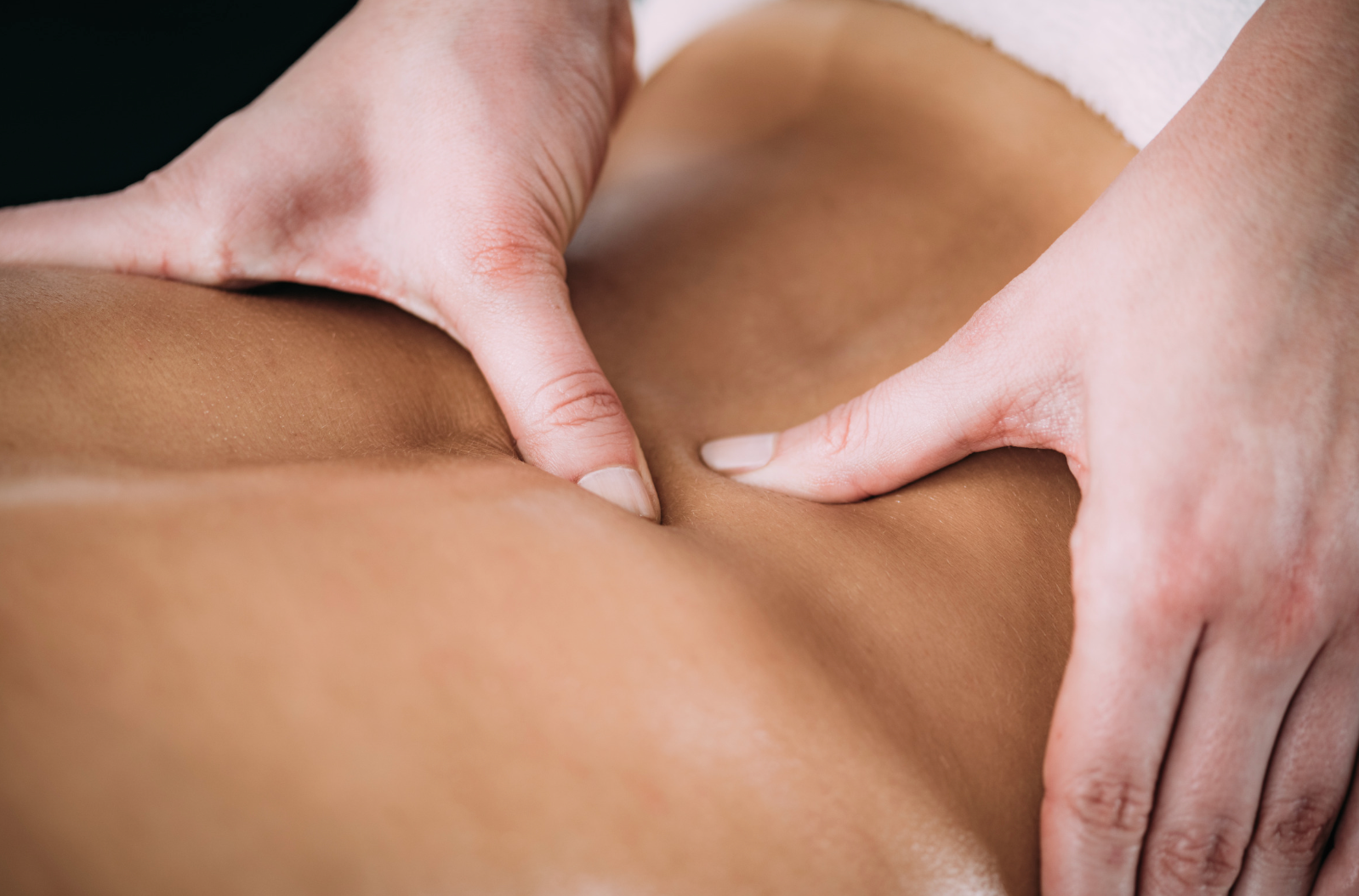
Scar tissue forms as part of normal healing, but it does not always form in a way that lets your skin and the tissue beneath it glide the way it used to. Left alone, it can tether to the muscle underneath, which is part of why reaching overhead or rotating your trunk can feel stuck long after the incisions themselves have closed.
If you bound your chest for months or years before surgery, your shoulders and upper back likely carry postural patterns from that too — rounded shoulders, a stiff upper back, breathing that stayed shallow and high in the chest. Surgery does not undo that pattern on its own. A trauma-informed physical therapist who understands binding history can work through rib mobility, thoracic rotation, and breathing mechanics alongside your surgical recovery, not as a separate project.
The Phases of Recovery, and Why Timing Matters
Recovery protocols built specifically for top surgery, including a rehab protocol built specifically for top surgery by Cirque Physiotherapy and the Gender Confirmation Center, generally describe three phases. In the first few weeks, the focus is controlling swelling and pain, with gentle scapular and thoracic movement and your arms kept below shoulder height. Around four weeks, once you can lift your arms to shoulder height without incision pain, the work shifts to motion above 90 degrees, nerve glides, pec stretching, and the start of scar mobilization. By roughly eight weeks, most people are working on progressive, resisted overhead strength and getting back to full function.
Timing matters more than people expect. If you already live with a shoulder issue, you are over 50, you are a competitive athlete, or you have joint hypermobility or Ehlers-Danlos syndrome, waiting too long to start guided movement raises your risk of losing range of motion you do not get back without real work. None of this requires you to push through pain. Soreness that settles within an hour or two is expected; pain or swelling that lingers longer is your body telling you to back off and come back to it in a few days.
What the Research Actually Says About Scar Work
Scar mobilization is not a guess dressed up as a protocol. A 2020 systematic review and meta-analysis in the Journal of Alternative and Complementary Medicine, pooling 19 trials, found that physical scar management had a significant effect on pain, pliability, surface area, and scar thickness, with large effect sizes for pain and pliability specifically. Massage sessions of around 30 minutes, done one to three times a week, were linked to real improvement; a five-minute rub was not enough to move the needle.
A more recent 2025 scoping review in the Journal of Clinical Medicine, surveying 92 studies on physical therapy for scars, found a similar pattern: massage and manual mobilization show real promise, but the field has not settled on one standard protocol, and most studies agree that tissue needs to tolerate surface friction before hands-on scar work starts. That is a good reason to let a physical therapist assess your specific scar rather than guessing at timing from a forum post.
When It’s More Than “Give It Time”
Some restriction in the first several weeks is normal. These signs are worth bringing to a physical therapist rather than waiting out: your arm still cannot reach overhead well past eight weeks, one side is noticeably tighter or less mobile than the other, you have burning, shooting, or electric sensations that do not settle over time, or your posture is pulling forward in a way that feels stuck rather than improving.
None of those mean you healed wrong. They mean the tissue and nerves that went through surgery want the same attentive, hands-on care you would expect for a reconstructed shoulder or knee. If you already did the work to prehab beforehand, our guide to prehab before top surgery walks through what that preparation looks like, this is simply the other half of that same process.
What This Looks Like at OutWellness
A physical therapy visit built for top surgery recovery should never feel clinical in the cold sense of that word. A good first session is mostly conversation: what your surgeon told you, what your incisions and sensation feel like day to day, and what specifically feels off. Hands-on work happens only with your explicit, ongoing consent, and you set the pace every time.
When you are ready to get back to lifting, swimming, or whatever movement matters to you, that return gets built around where you actually are, not a generic program that assumes everyone heals on the same timeline. If getting back into a full workout practice is part of your goal, our guide to building a workout practice in Austin that already assumes your transition and your actual life is worth a read once you’re cleared to move again.
Final Thoughts
Top surgery recovery asks a lot of you: patience with drains and swelling, trust in a surgical team, and a body doing real work under the surface long after the bandages come off. You should not have to guess whether physical therapy is part of that recovery or wonder if the tightness you are feeling is just something to live with.
The honest answer is that scar mobilization, guided range of motion, and attentive timing make a measurable difference, and you deserve a physical therapist who understands this specific surgery, not just shoulders in general.
Wondering what physical therapy for your top surgery recovery could look like? Book a free 15-minute consult with our physical therapy team.