If your first few steps out of bed feel like stepping on glass, this one’s for you.
Maybe it eases up after you’ve been moving for a few minutes, then comes back after you sit for a while at your desk, or stand through a full shift, or finish a run. You’ve probably already tried stretching it. Maybe someone told you to just rest and it’ll go away. If it hasn’t gone away, you are not doing this wrong — you’re just missing the parts of the picture that actually move the needle.
This is plantar fasciitis, and there is real, well-researched evidence on what helps. Here’s what it actually says.
What’s happening in your foot
The plantar fascia is a thick band of tissue that runs along the bottom of your foot, from your heel to your toes. It supports your arch and absorbs shock every time your foot hits the ground. When it gets overloaded, it develops small areas of irritation and breakdown near where it attaches to your heel bone, and that’s the sharp, specific pain you feel.
This is common. Plantar heel pain affects roughly 4 to 7 percent of the general population, with the highest rates between ages 40 and 60, and it drives close to 2 million healthcare visits a year in the US alone. It’s also responsible for about 8 percent of all running injuries. If you’re dealing with it, you’re in very ordinary company.
One thing worth knowing if you’ve had an X-ray: around half of people with plantar fasciitis have a bone spur on the heel, and it is not the cause of your pain. Spurs show up in plenty of pain-free feet too. If a scan handed you a scapegoat, you can let that one go.
Why “just rest and wait” leaves people stuck
A few things make this condition more likely: being on your feet for long stretches at work, a tight calf or limited ankle flexibility, ramping up a new activity faster than your tissue adapted, your foot’s own arch shape, and footwear that isn’t supporting what your foot actually needs. Body weight is one factor among many here, not a verdict on anything — plenty of people in bigger and smaller bodies both get this and both recover from it.
Pure rest treats the symptom without touching any of that. Your pain calms down while you’re off your feet, then comes right back once you return to your normal life, because the underlying load and mechanics never changed. That’s the trap a lot of people get stuck in — rest, recover, flare again — without ever feeling like they’re making progress.
What the evidence says actually helps
The research is consistent on this: close to 90 percent of plantar fasciitis resolves with the right conservative care, according to the field’s own clinical practice guideline, and surgery is rarely necessary. “Right” is the key word — the approach that works best combines a few specific pieces, not just one.
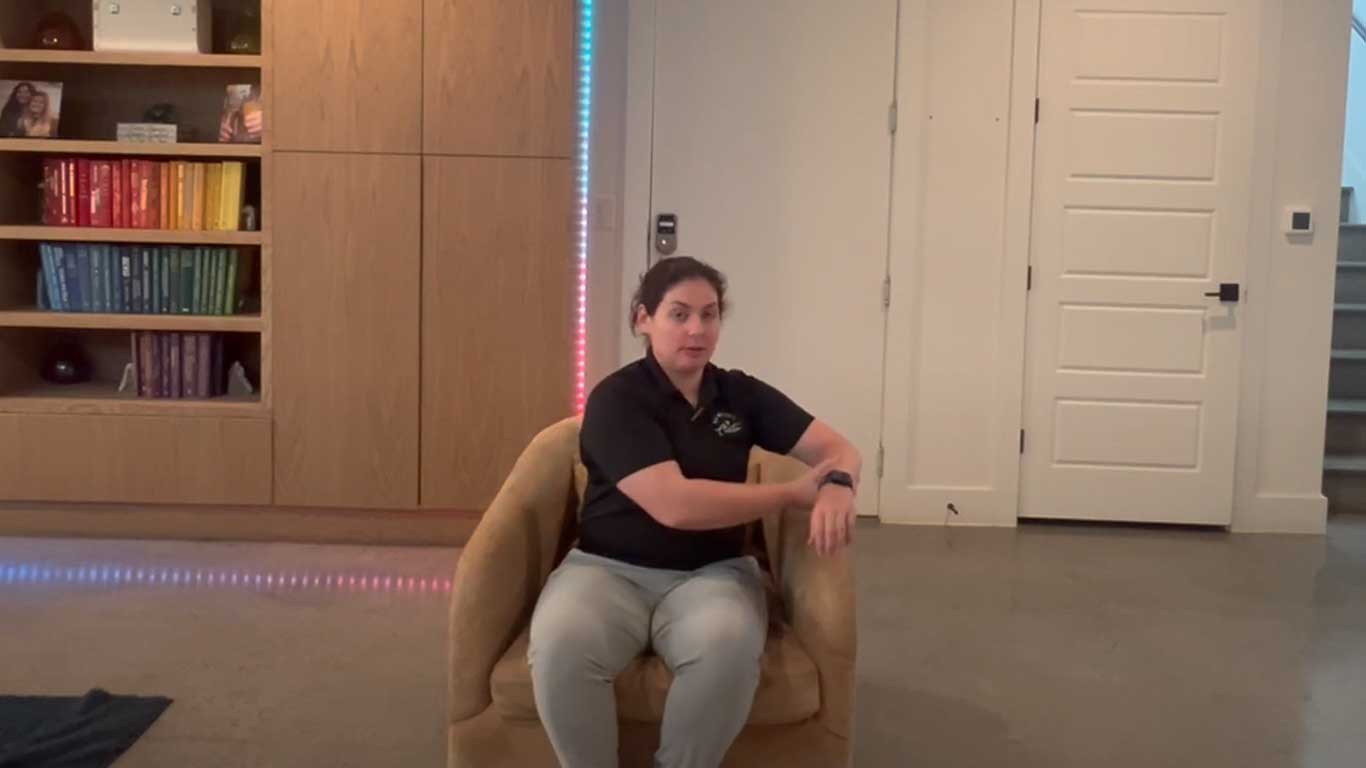
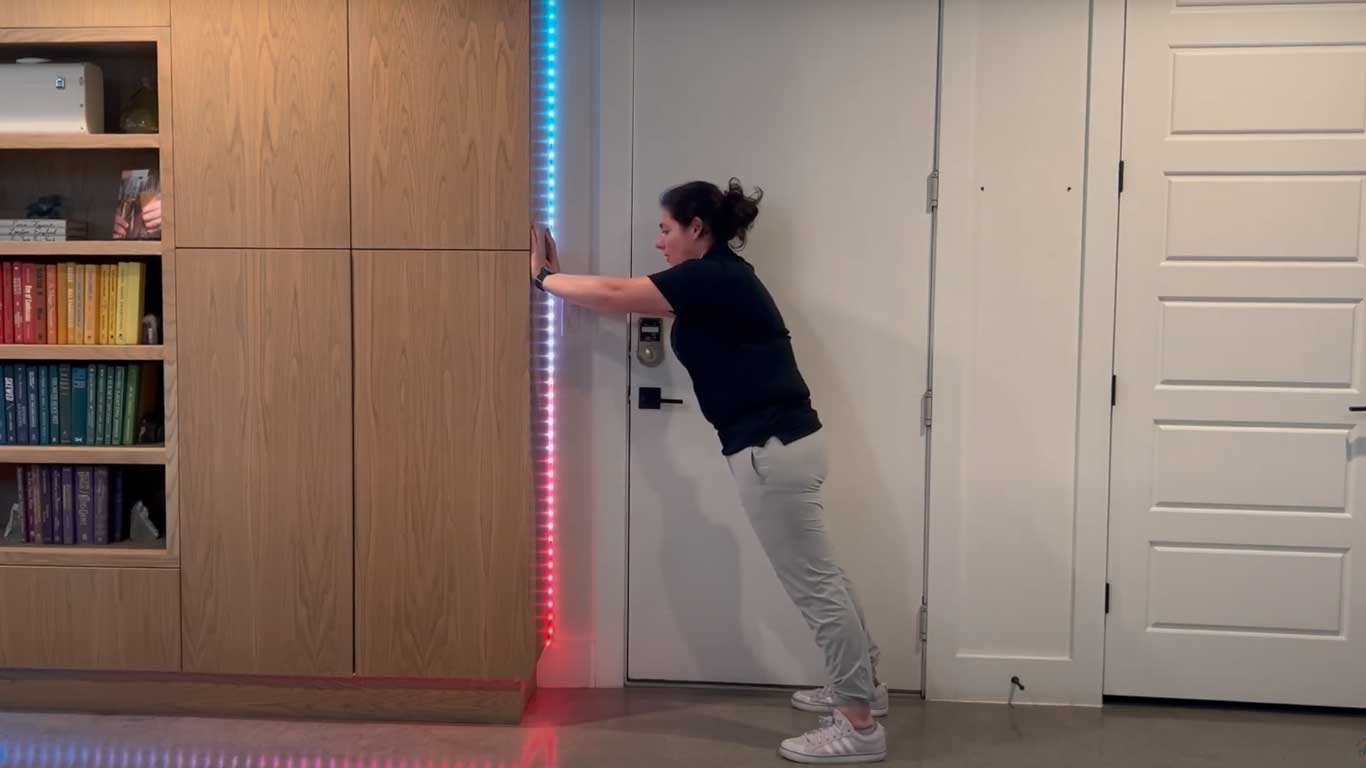
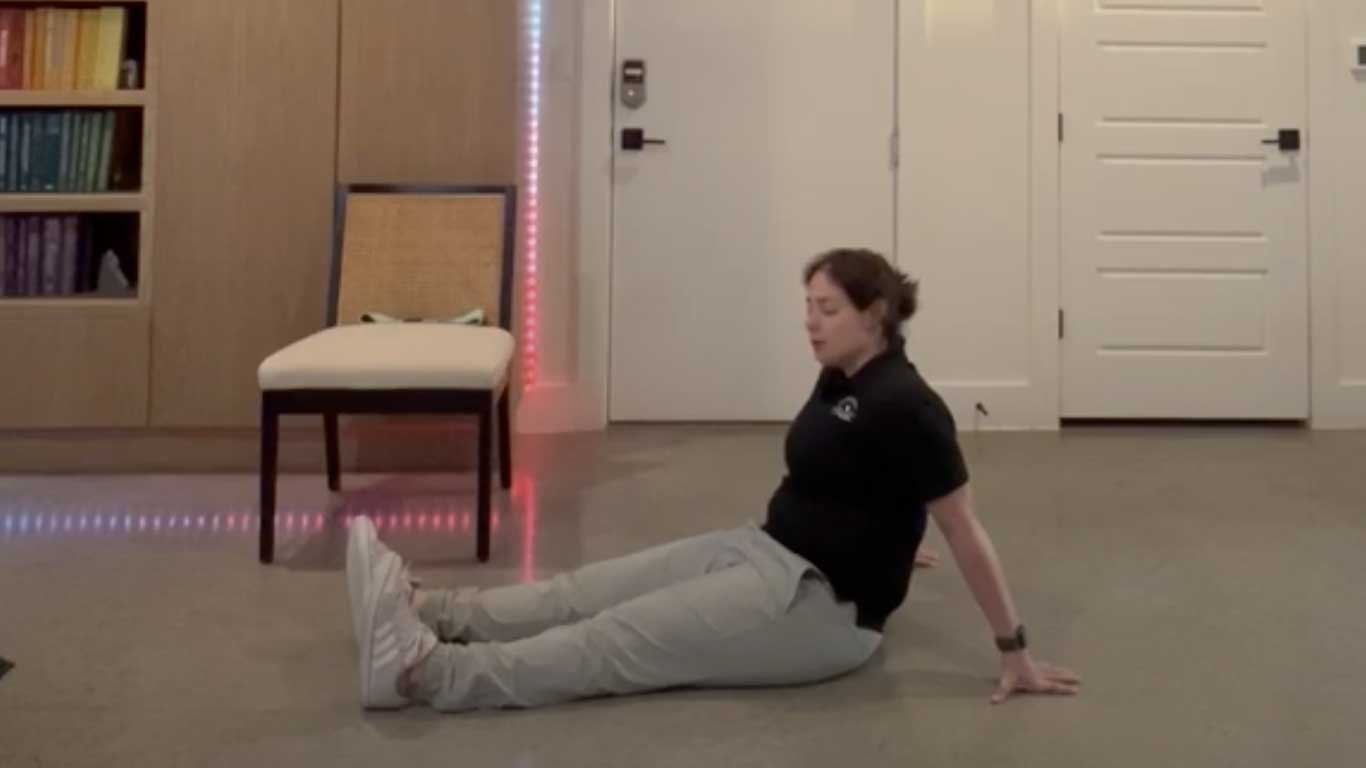
Plantar-fascia-specific stretching, done alongside calf stretching, shows the strongest short-term results of any single intervention, per Physiopedia’s review of the evidence. Manual therapy and soft tissue work to the calf and foot help loosen the structures pulling on your fascia. Taping and over-the-counter or custom orthotics can calm things down fast while your tissue adapts to a better loading program. Night splints that hold your ankle in a stretched position overnight address the stiffness that makes those first steps so brutal. For pain that’s dragging on past the usual window, extracorporeal shockwave therapy has real evidence behind it too.
None of this works as well in isolation as it does together, matched to your specific foot, your specific job, and your specific training load — which is exactly where a thorough gait assessment and a real plan, like the one APTA’s ChoosePT guide describes, come in.
What this looks like at OutWellness
A plan built around your actual life starts with understanding what’s actually loading your foot: your work, your training, your gait, your footwear, not a generic handout of stretches. We check your calf and ankle mobility, assess how you move, and build a progression instead of guessing at one.
And because pain anywhere in your body can make people brace for the exam table, we bring the same trauma-informed approach to a foot evaluation that we bring to everything else here. You’re told what we’re checking and why, you have a say in the pace, and nothing about your plan assumes your body is the problem.
Final thoughts
That heel pain is not a mystery you have to solve alone, and it’s not a life sentence either. The evidence is clear that the right combination of stretching, manual work, and a plan matched to your actual foot gets the vast majority of people back to walking — and running, and standing through long shifts — without pain. You do not have to just live with it, and you do not have to earn relief by waiting it out longer than you already have.
Ready to stop guessing and get an actual plan for your foot? Book a free 15-minute consult with our team.