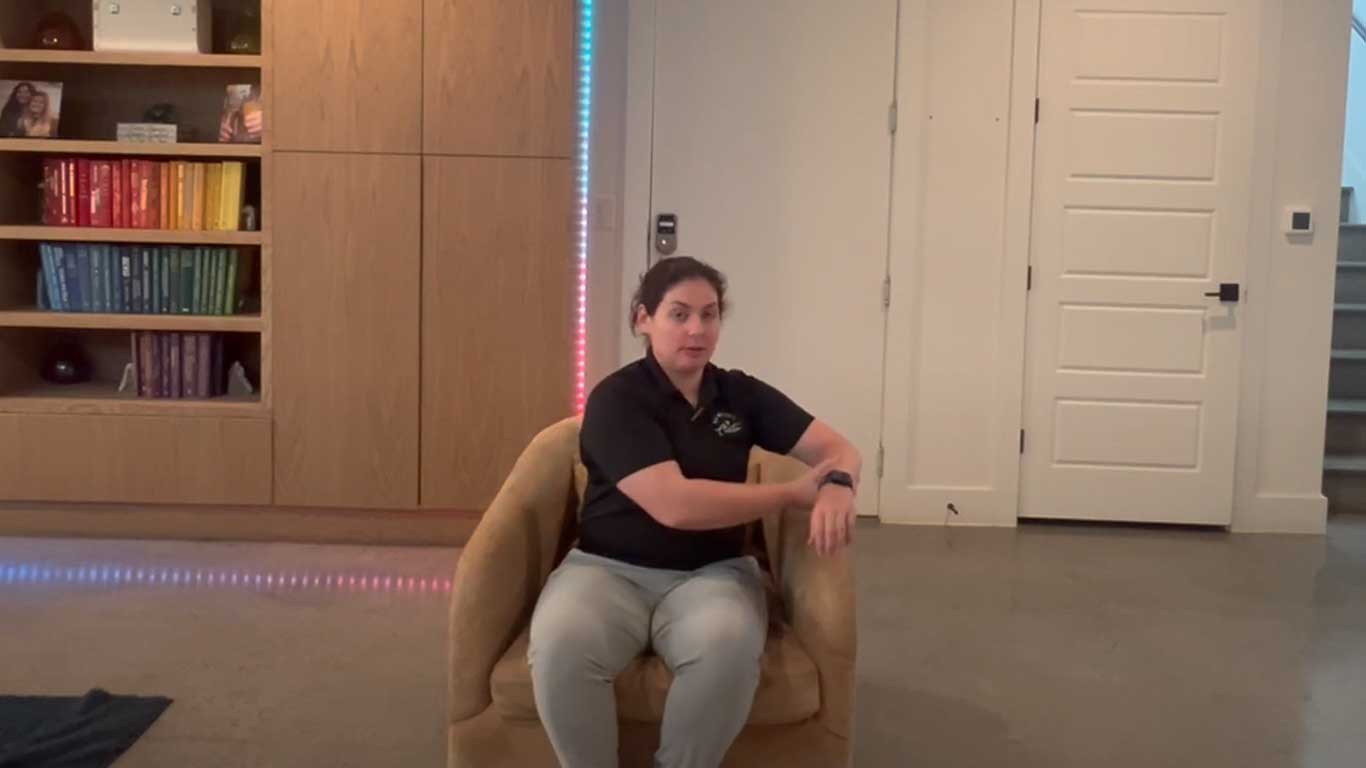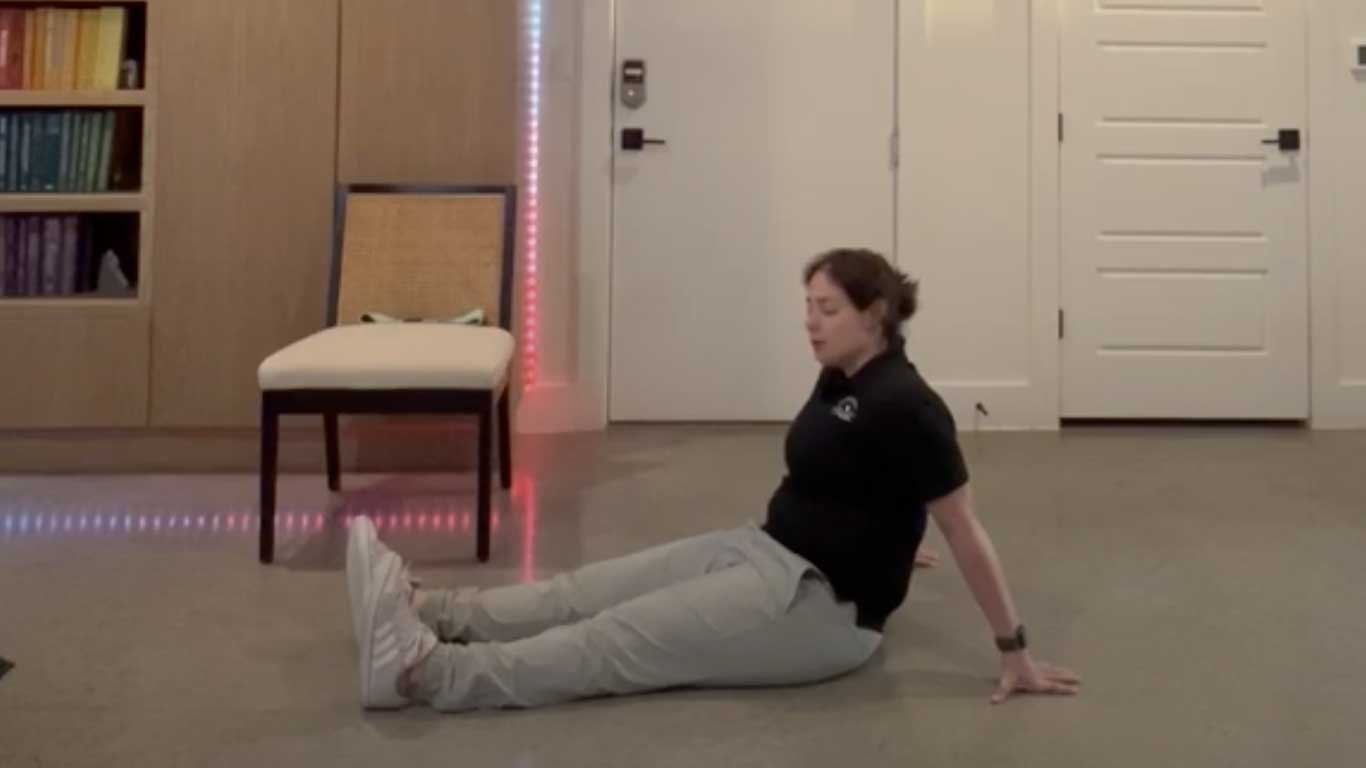
Starting physical therapy can feel vulnerable, especially if healthcare has not always felt safe, affirming, or helpful.
Maybe you have been dismissed before. Maybe a provider made assumptions about your body, your pain, your gender, your weight, your activity level, or your goals. Maybe you are used to bracing yourself before appointments because you are not sure whether you will be listened to.
At OutWellness, your first PT visit is not about proving anything. It is about understanding what is going on, what matters to you, and what kind of support actually feels useful.
You Are Allowed To Be Nervous
A lot of people show up to their first physical therapy visit feeling anxious. That does not mean you are doing anything wrong.
You may be worried about being touched, being judged, being asked to move in ways that hurt, or being told to stop doing the activities that matter to you. Those are real concerns, especially if you have had healthcare experiences where your consent, comfort, or lived experience were not respected.
A good first visit should slow things down enough for you to feel oriented. You should know what is happening, why it is happening, and what your options are.
The First Step Is A Conversation
Before your physical therapist starts assessing movement, they should spend time talking with you.
This may include questions about your pain, injury history, surgeries, daily activities, work demands, exercise habits, and goals. It may also include questions about what has helped before, what has made things worse, and what you are hoping to avoid.
You do not have to share everything all at once. You can give as much context as feels relevant and comfortable.
This is also a good time to say things like:
“I do better when you explain things before touching me.”
“I get overwhelmed when appointments move too fast.”
“I have had bad experiences with providers commenting on my weight.”
“I want help getting stronger, but I do not want to be told to stop lifting.”
Those details help your provider care for you better.
Consent Matters The Whole Time
Physical therapy can involve movement testing, hands-on assessment, manual therapy, exercise, and conversations about symptoms. Consent should be part of all of it.
That means your PT should explain what they are doing before they do it. You should have room to ask questions, pause, modify, or decline something.
Consent is not just a one-time yes at the beginning of the session. It is an ongoing part of care.
At OutWellness, we want you to know that your body is still yours in the treatment room.
Your PT May Watch How You Move
Your physical therapist will likely assess how your body moves. This could include walking, squatting, bending, reaching, balancing, or moving a specific joint.
This is not a test you pass or fail. Your PT is looking for patterns that may help explain your symptoms or guide your plan.
If something feels painful, scary, dysphoric, or uncomfortable, say so. There is almost always another way to assess the same thing.
The goal is not to force your body into one “correct” version of movement. The goal is to understand what your body needs.
You Can Talk About More Than Pain
Pain matters, but it is not the only thing that matters.
You can talk about confidence, fear of movement, fatigue, gym anxiety, surgery recovery, dysphoria, work stress, sleep, or frustration with not being able to do what you want to do.
A physical therapy plan should fit your actual life. That means your provider needs to understand more than just the painful body part.
For example, “my shoulder hurts” might mean something different if your goal is reaching a top shelf, returning to bench press, recovering after top surgery, carrying a child, or getting through a long workday.
Your Plan Should Be Clear And Collaborative
By the end of your first visit, you should have a better understanding of what may be contributing to your symptoms and what the next steps are.
That plan may include home exercises, strength work, mobility drills, hands-on care, education, modifications to your current routine, or a follow-up schedule.
You should not leave feeling like you were handed a random list of exercises with no explanation. You should know what you are working on and why.
And if the plan does not feel realistic, say that. A plan that only works on paper is not a good plan.
You Do Not Have To Wait Until Things Are “Bad Enough”
You can start physical therapy before things feel unbearable.
PT can help with pain, injury recovery, surgery preparation, post-op rehab, strength building, mobility concerns, return to exercise, balance, and movement confidence.
You can also come in when something just feels off and you want a second set of eyes before it becomes a bigger issue.
You do not have to earn care by suffering longer.
Final Thoughts
Your first PT visit should help you feel more informed, not more overwhelmed.
If healthcare has felt hard before, it makes sense that starting somewhere new might bring up anxiety. But affirming care should feel different. It should be collaborative, consent-based, and rooted in the belief that your goals matter.
Ready to start physical therapy in a space built with you in mind? Explore OutWellness Physical Therapy, read What To Expect, or schedule a visit with our team.